


Blog
Smart House in Egypt: Is It Worth It?


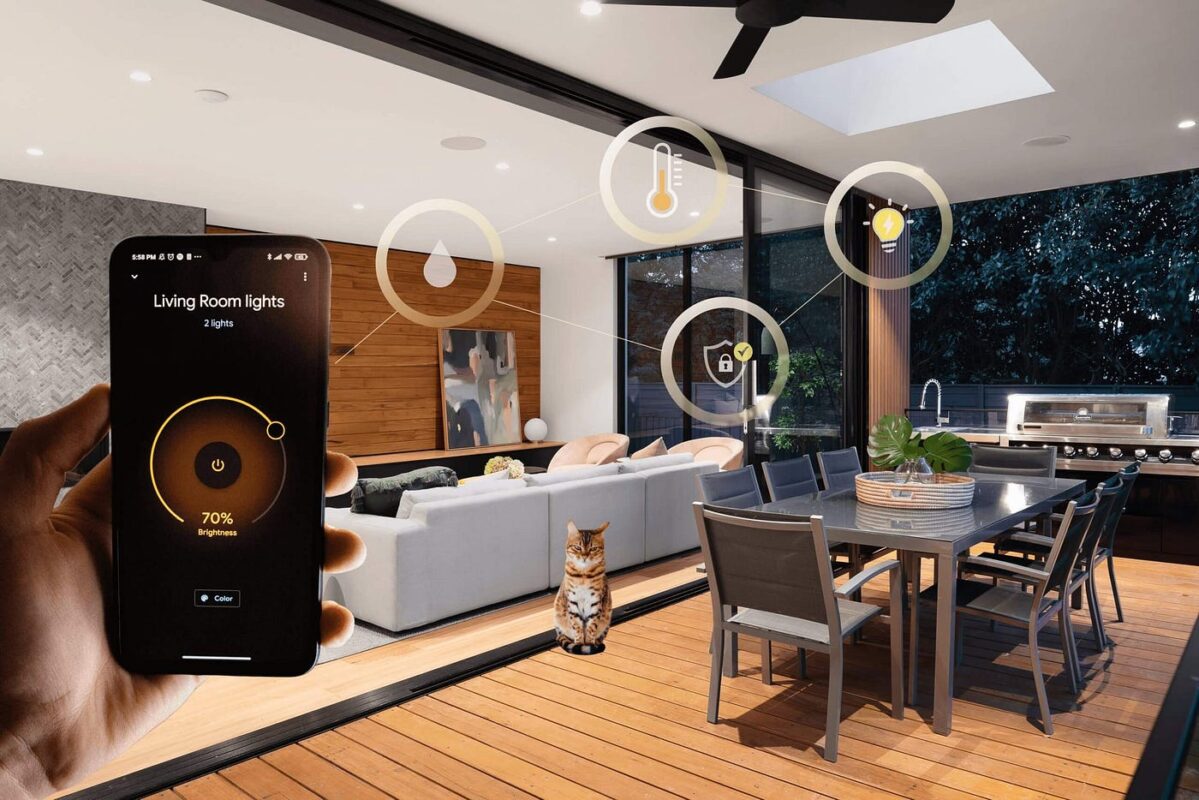
A smart house Egypt concept is no longer futuristic—it is quickly becoming part of modern Egyptian living. A smart house uses connected technologies to automate daily tasks, enhance security, and optimize energy usage. With rising electricity costs, growing security needs, and wider internet availability, smart houses are shifting from luxury upgrades to practical lifestyle choices.
In today’s Egyptian context, a smart house means:
- More comfort through automation
- Stronger security with smart monitoring
- Better energy efficiency and cost control
Technology is reshaping how Egyptian households experience comfort, safety, and control, making smart houses a growing trend across apartments and villas.

Table of Contents
Understanding Smart Houses
A smart house Egypt refers to a home equipped with interconnected smart systems that automate and control lighting, climate, security, and appliances. These systems are designed to respond automatically to user behavior, schedules, and environmental conditions.
Smart houses focus on:
- Centralized control
- Automation instead of manual operation
- Remote access via mobile apps
- Scalability for future expansion
The goal is to make the home more intelligent, efficient, and responsive to daily needs.
Core Components of a Smart House
Every smart house Egypt setup is built around essential components that work together as one system.
Core components include:
- Smart hubs or controllers
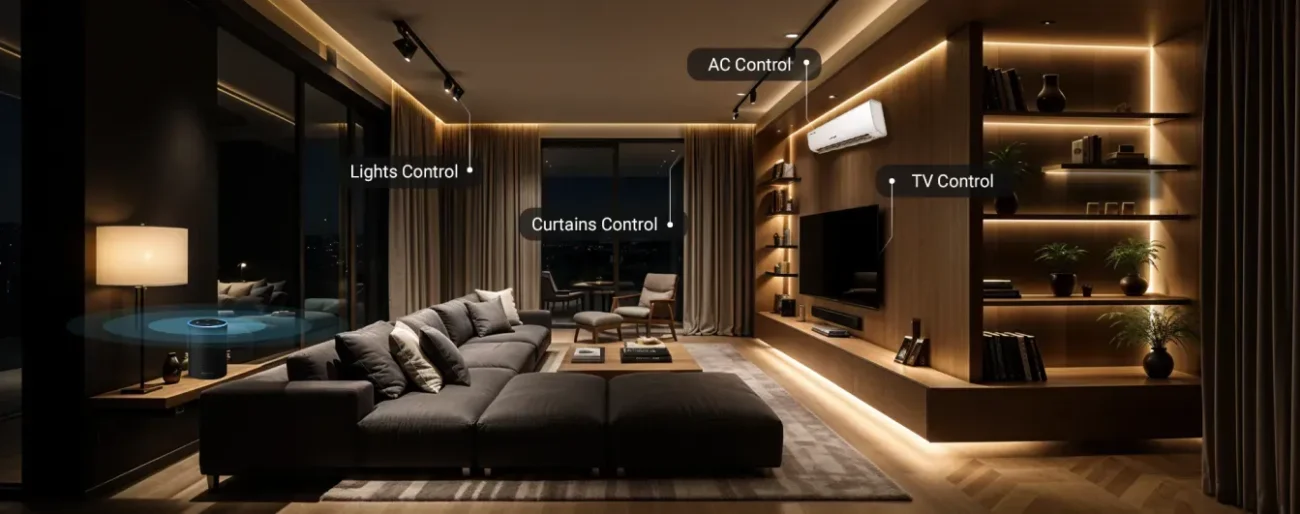
- Connected devices (lights, ACs, locks, cameras)
- Sensors (motion, doors, temperature)
- Mobile and voice control interfaces
These components form a unified ecosystem that enables automation and real-time control.
How Smart Systems Communicate and Integrate
Communication is what makes a smart house function smoothly.
Smart systems integrate through:
- Wireless protocols (WiFi, Zigbee, Z-Wave)
- Central platforms managing device interaction
- Automation rules triggered by time, motion, or conditions
Seamless integration ensures fast response, system stability, and easy expansion over time.
Smart House Technologies in Egypt
The success of any smart house Egypt depends on the technologies used to connect devices and manage automation. Different technologies are used based on home size, budget, and performance requirements.
Smart house technologies in Egypt focus on:
- Reliable connectivity
- Low power consumption
- Flexibility and scalability
Choosing the right technology ensures long-term performance and user satisfaction.
WiFi Based Smart Home Solutions
WiFi-based smart house solutions are widely used in Egypt due to their simplicity and accessibility.
Key advantages include:
- Easy installation
- No additional hubs required
- Direct control via mobile apps
WiFi solutions are ideal for apartments and entry-level smart houses but require strong network coverage.

Zigbee, Z-Wave, and Hybrid Smart Systems
For more advanced smart house Egypt projects, Zigbee and Z-Wave technologies offer higher reliability.
Key benefits:
- Mesh networking for wide coverage
- Low energy usage for sensors
- Stable performance with many devices
Hybrid systems combine WiFi with Zigbee or Z-Wave to balance convenience and performance.
AI and Automation in Egyptian Smart Homes
Artificial intelligence is becoming a key part of smart house Egypt solutions.
AI-powered automation enables:
- Behavior-based learning
- Predictive climate and lighting control
- Smarter security alerts
These features allow homes to adapt automatically to daily habits.
Essential Smart House Devices
The foundation of any smart house Egypt lies in selecting the right devices that deliver immediate benefits and long-term value.
Essential smart house devices focus on:
- Automation
- Security
- Energy management
- Daily convenience
These devices can be installed gradually, making smart houses accessible for different budgets.
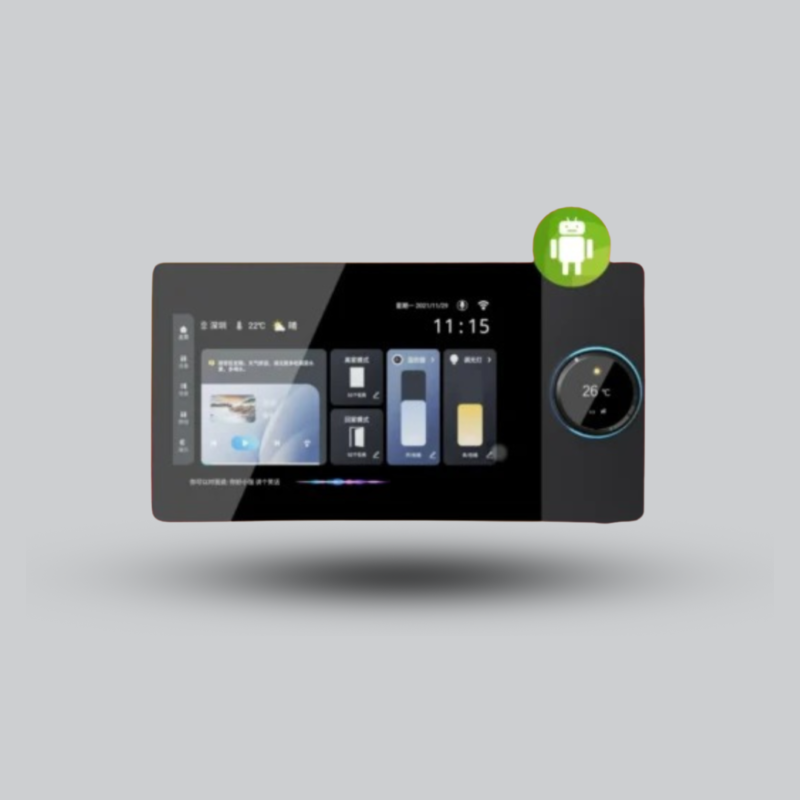
Tuya 8 Inch Smart Home Control Panel – All-in-One Smart Home Panel with Audio System for WiFi and Zigbee Devices
The Tuya 8 Inch Smart Home Control Panel works as a complete smart home control center that supports WiFi and Zigbee devices, making it easier to manage lighting, curtains, smart scenes, and connected systems from one elegant wall-mounted interface. It combines an 8-inch IPS display, Android 8.1, a built-in audio system, a rotary control knob, and voice control via Alexa for a smoother smart living experience.
Smart Lighting and Energy Management
Smart lighting systems are one of the most popular upgrades in smart houses.
Key features include:
- Remote lighting control
- Scheduling and automation
- Reduced electricity consumption
- Scene customization
Smart energy management helps homeowners monitor and optimize power usage.
Climate Control: ACs, Thermostats, and Heating Automation
Climate automation is critical for smart house Egypt, especially in hot weather.
Smart climate systems allow:
- Remote AC control
- Automated temperature scheduling
- Improved comfort with lower energy use
These systems reduce AC overuse and electricity waste.
Smart Locks, Cameras, and Security Systems
Security devices are a major driver of smart house adoption.
Essential security solutions include:
- Smart door locks
- Indoor and outdoor cameras
- Alarm systems and sensors
They provide real-time monitoring, instant alerts, and remote access.

Smart Appliances and Home Entertainment Integration
Smart appliances and entertainment systems complete the smart house ecosystem.
Common examples:
- Smart TVs and audio systems
- Connected kitchen appliances
- App-controlled entertainment setups
They integrate seamlessly into automation routines for enhanced convenience.
Voice Control and Automation
Voice control adds a powerful layer of convenience to any smart house Egypt. It allows homeowners to manage devices hands-free using simple voice commands.
Voice-controlled smart houses offer:
- Faster interaction
- Improved accessibility
- Centralized control of multiple devices
Voice automation simplifies daily routines and reduces reliance on manual app usage.
Using Alexa, Google Assistant, and Siri in Egypt
Popular voice assistants are widely supported in smart house Egypt systems.
Key benefits include:
- Hands-free control of lighting and climate
- Voice-triggered security actions
- Custom routines and automation scenes
These assistants integrate smoothly with most smart platforms used in Egypt.
Setting Up Automated Routines and Smart Scenes
Automation routines define how a smart house behaves automatically.
Common smart scenes include:
- Morning and night routines
- Away and vacation modes
- Energy-saving scenarios
Well-designed routines allow the smart house to respond intelligently to daily life without constant manual input.
Smart House Installation in Egypt
Installing a smart house Egypt system correctly is critical for performance, reliability, and long-term stability. Proper installation ensures that all devices communicate smoothly and automation works as intended.
Smart house installation focuses on:
- Network strength and coverage
- Correct device placement
- System configuration and testing
Good installation planning prevents future connectivity and performance issues.
Professional Installation Versus DIY Options
There are two main approaches to smart house Egypt installation.
Professional installation offers:
- Expert system design
- Secure configuration
- Optimized automation performance
DIY installation is suitable for:
- Entry-level smart devices
- Small apartments
- Simple automation needs
For large homes or full automation projects, professional installation is usually the safer and more efficient choice.

Infrastructure Requirements and Wiring Considerations
Infrastructure plays a major role in smart house performance.
Key requirements include:
- Strong WiFi or mesh network coverage
- Stable power supply
- Compatibility with existing wiring
Preparing the infrastructure in advance helps avoid delays and system instability.
Common Challenges and How to Overcome Them
Typical challenges in smart house Egypt projects include:
- Weak wireless signals
- Device compatibility issues
- Incorrect automation rules
These challenges can be solved through proper planning, network upgrades, and experienced technical support.
Smart House for Apartments and Villas
A smart house Egypt can be designed to fit different property types, whether a compact apartment or a large villa. The key is choosing scalable and flexible solutions.
Smart house benefits apply to:
- Apartments
- Villas
- Residential compounds
Each property type requires a customized approach.
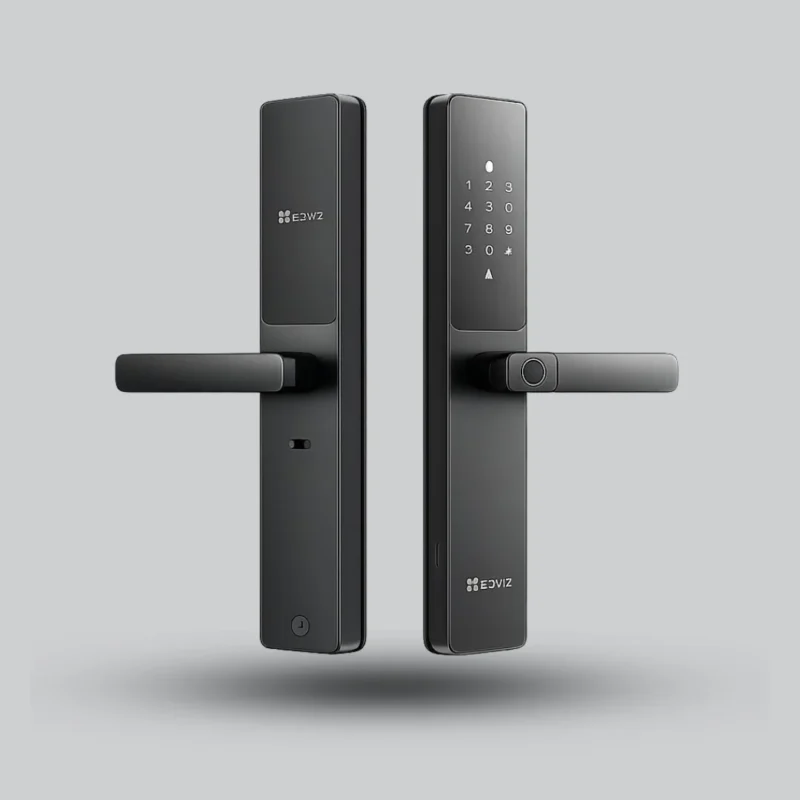
EZVIZ Y2000 Smart Lock: Fingerprint Lock with App Control and Camera Integration
The EZVIZ Y3000FVP PLUS lock is an 8-in-1 smart security system that allows unlocking via 3D facial recognition or vein pattern recognition. It features a built-in camera, 8GB of memory, night vision, and two-way video communication. Control it remotely via the EZVIZ app thanks to built-in Wi-Fi. It also includes advanced security features such as a tamper alarm, child lock, and a 5000mAh battery.
Compact Solutions for Apartments
Apartments benefit from wireless and space-efficient smart house solutions.
Ideal apartment options include:
- Smart lighting and switches
- Smart plugs
- Compact security cameras
- Mobile app control
These solutions offer automation without major modifications.
Full-Scale Automation for Villas and Large Homes
Villas require more advanced smart house Egypt systems.
Common villa solutions include:
- Multi-zone lighting and climate control
- Comprehensive security systems
- Automated curtains and outdoor devices
- Centralized control platforms
These systems provide complete control over large properties.
Energy Efficiency and Sustainability
Energy efficiency is one of the biggest advantages of a smart house Egypt, especially with rising electricity costs. Smart systems help reduce waste while maintaining comfort.
Energy-focused smart houses enable:
- Optimized electricity usage
- Automated device control
- Better energy awareness
Sustainability becomes part of daily living.

Reducing Electricity Consumption Through Automation
Automation helps reduce electricity consumption by controlling devices intelligently.
Examples include:
- Turning off lights in empty rooms
- Scheduling AC operation
- Automating high-consumption appliances
These actions significantly lower monthly electricity bills.
Smart Scheduling and Energy Monitoring for Cost Savings
Smart scheduling and monitoring tools provide:
- Real-time energy usage data
- Peak consumption alerts
- Detailed usage reports
This allows homeowners to make informed decisions and achieve long-term savings.
Smart House Costs and Budgeting
Planning the budget is an essential step when building a smart house Egypt. Costs vary depending on system size, device types, and automation level.
Main cost elements include:
- Smart devices and equipment
- Installation and setup
- Network upgrades
- Future expansion
Smart houses can be built gradually to match different budgets.
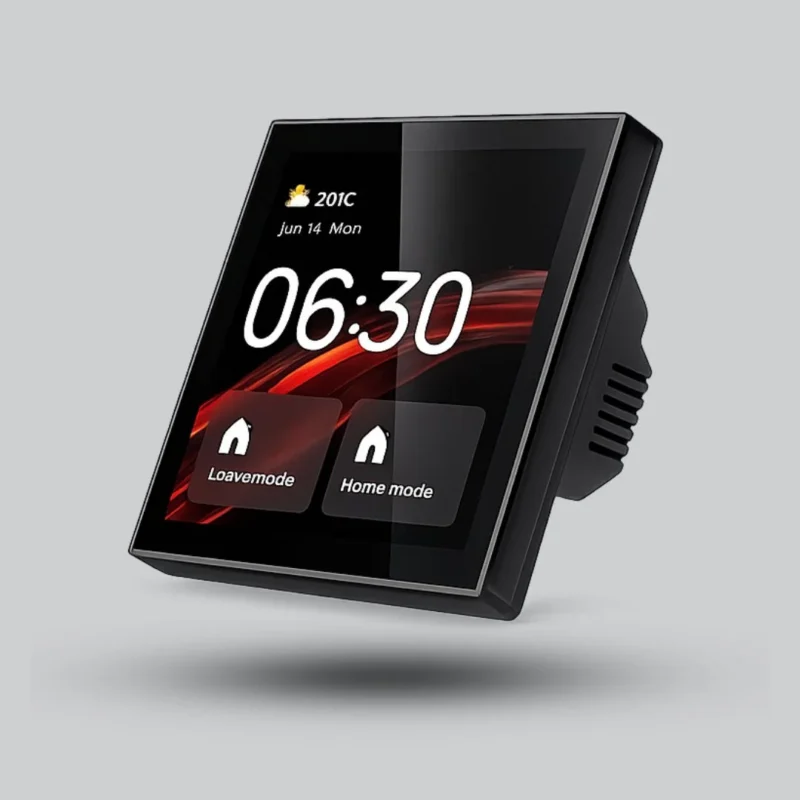
MOES Tuya WiFi Smart Touch Control Panel – Smart 4-inch touchscreen console with built-in voice control
The MOES smart panel represents a significant leap forward in smart home management, combining a sleek design with a 4-inch touchscreen and multiple functions such as controlling lighting, switches, and scenes, along with built-in Alexa voice assistant and an internal ZigBee gateway. All of this is accessible through the Smart Life/Tuya app with its user-friendly interface and intelligent interaction.
Entry-Level Smart House Setups
Entry-level smart house setups focus on basic automation.
Typical features:
- Smart lighting
- Smart plugs
- App-based control
These setups offer an affordable entry into smart living.
Mid-Range and Advanced Systems
Mid-range and advanced systems provide deeper integration.
Common features include:
- Climate and security automation
- Smart locks and sensors
- Advanced automation scenes
Higher investment delivers stronger control and convenience.
Factors Affecting Cost and ROI
Several factors influence smart house Egypt costs and return on investment.
Key factors include:
- Number of devices
- Technology used
- Installation complexity
- Energy savings over time
A well-planned smart house delivers strong long-term value and improved property appeal.

Security and Privacy in Smart Houses
Security and privacy are critical considerations in any smart house Egypt setup. As smart homes rely on connected devices and cloud services, protecting data and system access is essential for safe daily use.
Smart house security focuses on:
- Device and network protection
- User access control
- Secure data handling
A well-secured smart house protects both physical safety and digital privacy.
Protecting Personal Data and Smart Devices
Personal data protection is a top priority in smart house Egypt systems.
Best practices include:
- Strong and unique passwords for apps and devices
- Two-factor authentication where available
- Encrypted communication between devices
These measures reduce the risk of unauthorized access.
Best Practices for a Secure Smart Home Environment
To maintain long-term security:
- Keep firmware and apps regularly updated
- Limit device access to trusted users only
- Disable unused features and integrations
Consistent security management ensures reliable and safe smart house operation.
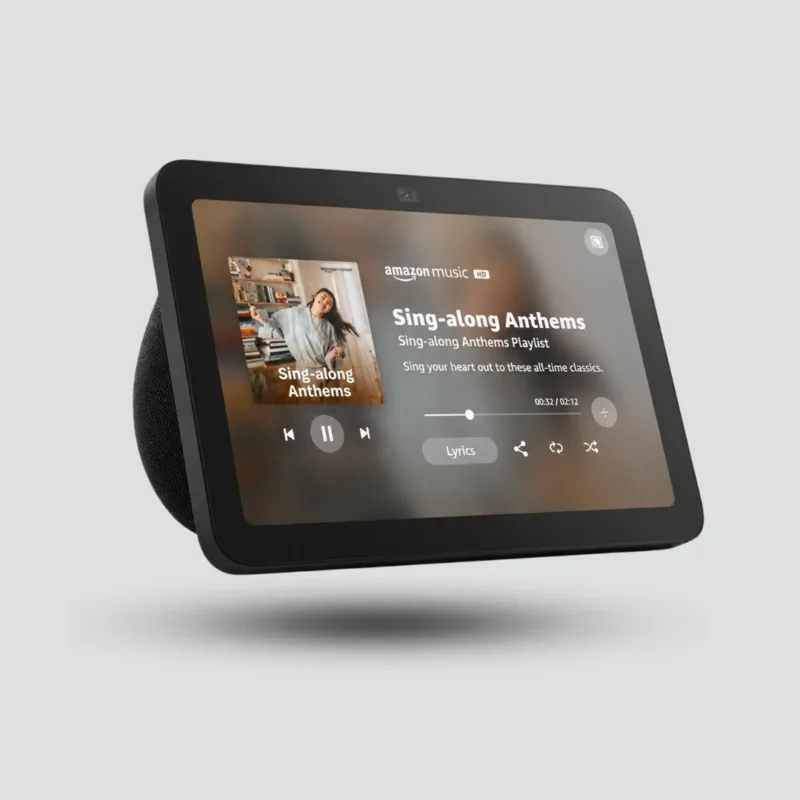
Echo Show 8 (Latest Generation)
The Echo Show 8 (Latest Generation) delivers a more complete smart home experience with an 8-inch HD display, enhanced sound with deeper bass, a 13MP camera, and built-in support for Zigbee, Matter, and Thread Border Router, making it a practical hub for entertainment, video calls, home monitoring, and Alexa-powered smart control.
Trends and Future of Smart Houses in Egypt
The future of smart house Egypt is closely tied to innovation, artificial intelligence, and urban development. Adoption is accelerating as technology becomes more affordable and user-friendly.
Current trends focus on:
- Smarter automation
- Energy-efficient solutions
- Simplified user experiences
Smart houses are becoming a standard feature of modern living.
Emerging Technologies and AI-Driven Automation
AI is transforming how smart house Egypt systems operate.
Emerging technologies include:
- Predictive automation based on habits
- Advanced security detection
- Intelligent energy optimization
These technologies allow smart houses to adapt automatically to lifestyle patterns.
Integration with Smart Cities and Future Urban Developments
Smart houses are increasingly connected to broader smart city ecosystems.
Future integration includes:
- Smarter energy grids
- Connected residential infrastructure
- Centralized building management
This positions smart houses as a key part of Egypt’s urban digital future.

Getting Started with a Smart House in Egypt
Starting a smart house Egypt project does not require a full transformation from the beginning. A step-by-step approach makes adoption easier and more cost-effective.
Getting started involves:
- Defining clear goals
- Setting a realistic budget
- Choosing scalable solutions
Proper planning ensures a smooth transition to smart living.
Planning Your Smart House Step by Step
A simple phased approach works best.
Recommended steps:
- Start with smart lighting or plugs
- Add security devices
- Introduce automation routines
- Expand to climate and energy management
This approach reduces complexity and learning curves.
Tips for Gradual Implementation and Scalability
For long-term success:
- Choose platforms that support expansion
- Avoid closed ecosystems
- Plan future upgrades in advance
Scalable systems protect your investment over time.
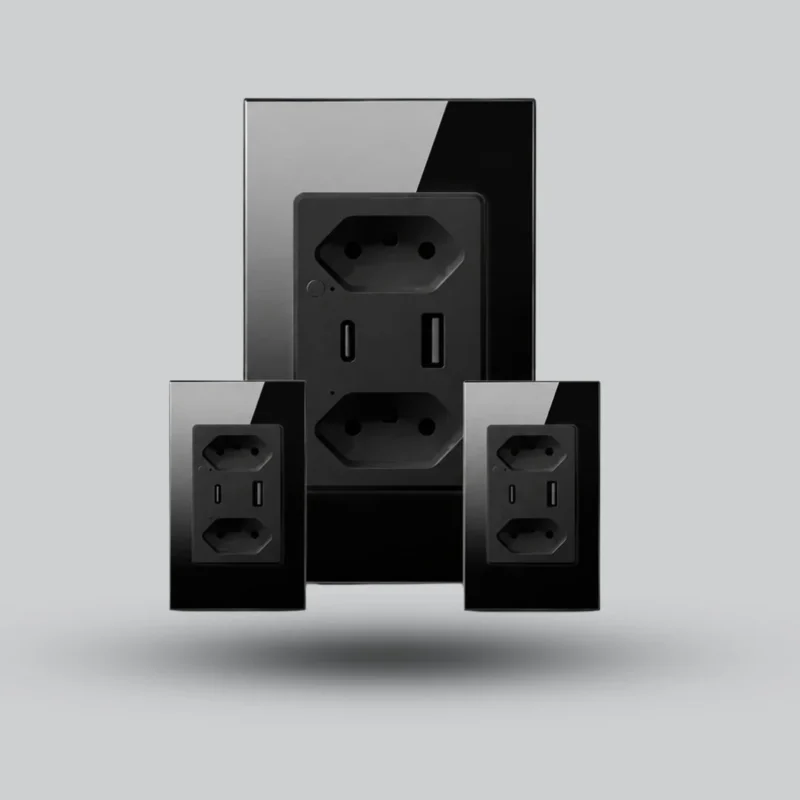
AVATTO Zigbee Smart Wall Socket with USB & Type-C – Dual Outlet Smart Wall Socket
The AVATTO Zigbee Smart Wall Socket with USB & Type-C combines smart power control and daily charging in one elegant wall unit, featuring dual independently controlled outlets, USB + Type-C charging, remote access through Tuya / Smart Life, and voice support for Alexa and Google Home.
Frequently Asked Questions
Are Smart Houses Reliable in Egypt’s Climate and Infrastructure?
Yes. Modern smart house Egypt systems are designed to handle heat, power variations, and local network conditions when installed correctly.
How Long Does Installation Typically Take?
Installation time depends on system size:
Basic setups: a few hours
Medium systems: one to two days
Full-house automation: several days
Can Smart Houses Function During Power or Internet Outages?
Many systems continue to operate partially during outages using:
Battery-powered devices
Local automation hubs
Backup power solutions
Functionality depends on system design and configuration.