


Blog
Home Automation: Transforming Modern Living

Home automation is redefining how people interact with their living spaces. Instead of manually managing lighting, climate, security, and appliances, automation allows homes to operate intelligently and efficiently. As technology advances, automated homes are becoming a global standard, offering better comfort, stronger security, and optimized energy usage.
Home automation is important today because it:
- Improves daily comfort and convenience
- Enhances home security and monitoring
- Reduces energy consumption and utility costs
- Creates a more connected and responsive living environment
With the rapid growth of smart technology worldwide, home automation is no longer a luxury—it is a practical upgrade for modern lifestyles.

Table of Contents
What Is Home Automation and Why It Matters
Home automation refers to the use of connected systems and devices that allow a home to be controlled automatically or remotely. These systems manage everyday functions based on user preferences, schedules, or sensor data.
Home automation matters because it:
- Eliminates repetitive manual tasks
- Centralizes control of multiple home systems
- Responds in real time to user needs and environmental changes
Key benefits include:
- Time savings through automated actions
- Improved safety with smart monitoring
- Higher energy efficiency and reduced waste
By turning a traditional house into a smart environment, home automation enhances both functionality and quality of life.
The Evolution of Smart Homes and Automation Technology
The evolution of home automation has progressed through several stages.
Major milestones include:
- Manual switches and timers
- Wired automation systems
- Internet-connected smart devices
- AI-powered and predictive automation
Today’s smart homes combine wireless communication, cloud computing, and artificial intelligence, enabling systems to learn user behavior and adapt automatically. This evolution has made home automation more reliable, scalable, and accessible than ever before.
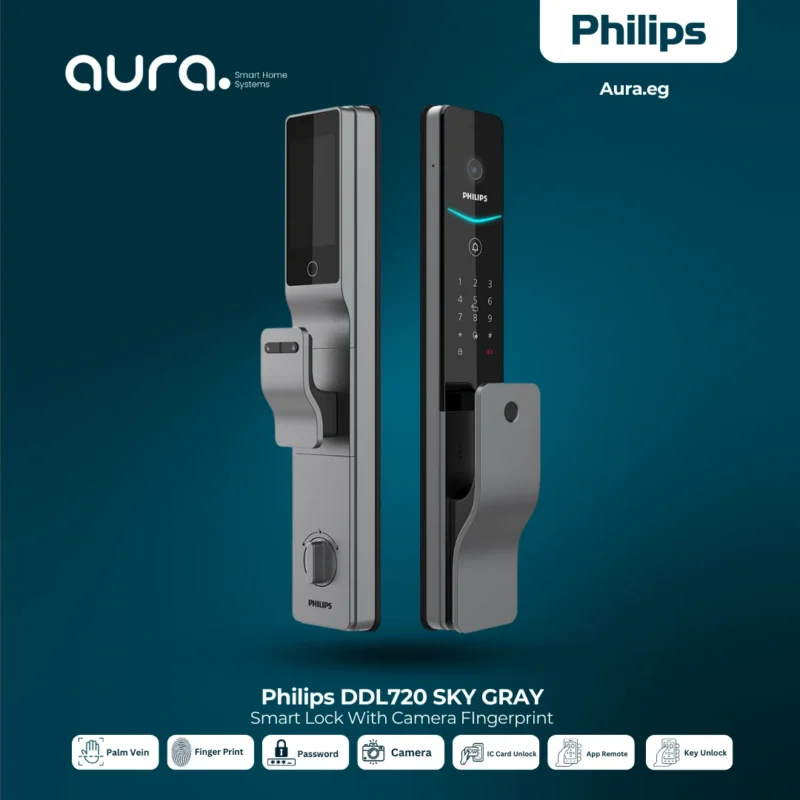
Philips Smart Lock DDL720-MVP-17HWS Special Edition
Philips DDL720-MVP-17HWS Special Edition smart lock combines palm vein recognition, fingerprint access, night vision camera, 4-inch indoor LCD screen, PIN code, IC card, app control, and mechanical key for advanced smart door security.
Core Components of a Home Automation System
A complete home automation system is built from multiple components working together as one integrated ecosystem. Each component plays a critical role in automation, control, and monitoring.
Core components include:
- Smart controllers or hubs
- Connected devices such as lights, thermostats, and locks
- Sensors for motion, temperature, and doors
- Mobile and voice control interfaces
These components allow homeowners to automate routines, monitor activity, and control their home from anywhere. When properly integrated, they create a seamless system that delivers efficiency, security, and convenience.
Smart Lighting Systems for Comfort and Energy Efficiency
Smart lighting systems are one of the most popular applications of home automation because they deliver immediate benefits. These systems allow users to control lighting automatically or remotely, improving both comfort and energy efficiency.
Key features of smart lighting include:
- Remote on/off and dimming control
- Scheduled lighting based on time or activity
- Scene creation for different moods
- Integration with motion sensors
Smart lighting helps reduce unnecessary electricity usage while creating a more comfortable and personalized living environment. It is often the first step homeowners take when upgrading to a fully automated smart home.

Intelligent Climate Control: Heating, Cooling, and Ventilation
Intelligent climate control is a core pillar of modern home automation, allowing homes to maintain optimal indoor conditions automatically. These systems manage heating, cooling, and ventilation based on real-time data, schedules, and user preferences.
Smart climate control systems offer:
- Automatic temperature adjustment
- Remote control via apps
- Energy-efficient operation
- Consistent indoor comfort
By responding to occupancy and environmental changes, automated climate systems reduce energy waste while improving everyday comfort.
Smart Security Systems: Locks, Cameras, and Alarms
Security automation often works alongside climate and environmental systems within a unified home automation setup.
Smart security systems include:
- Smart door locks
- Indoor and outdoor cameras
- Alarm and notification systems
These systems provide real-time monitoring, instant alerts, and remote access, ensuring the home remains protected at all times.

Motion Sensors, Door, and Window Sensors for Enhanced Safety
Sensors play a critical role in automated safety.
Key sensor functions include:
- Detecting motion and unauthorized entry
- Monitoring door and window status
- Triggering alarms or notifications automatically
Together, these sensors enhance safety and allow the home to respond instantly to potential threats.
Voice-Controlled Automation with Alexa, Google Assistant, and Siri
Voice-controlled automation adds hands-free convenience to home automation systems. Using voice assistants, homeowners can control multiple devices with simple spoken commands.
Voice control allows users to:
- Turn lights on or off
- Adjust temperature settings
- Lock or unlock doors
- Activate automation scenes
This form of interaction improves accessibility and speeds up everyday tasks.
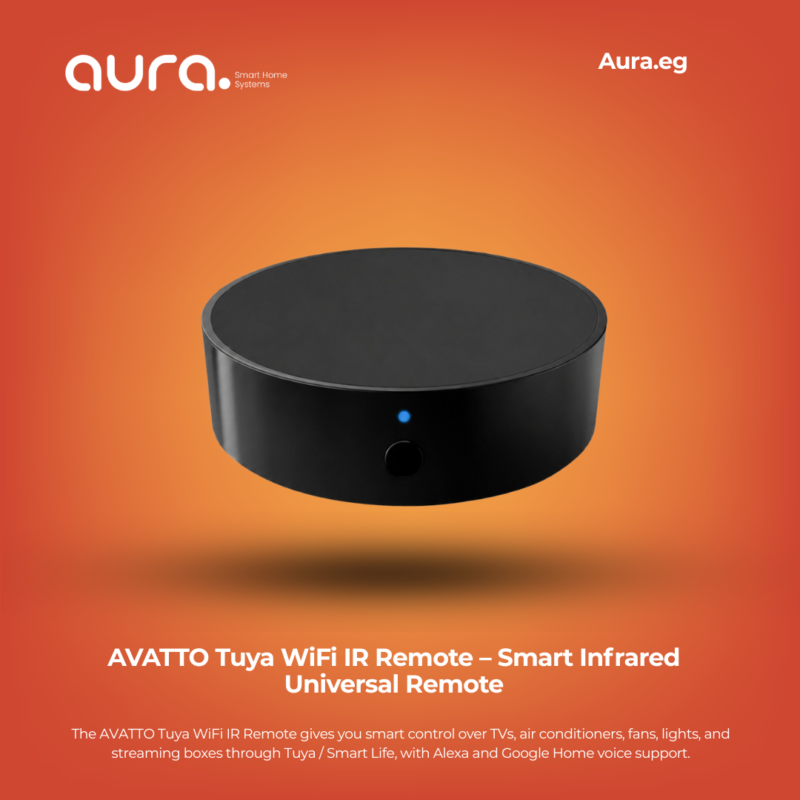
AVATTO WiFi IR Remote – Smart Infrared Universal Remote
The AVATTO Tuya WiFi IR Remote gives you smart control over TVs, air conditioners, fans, lights, and streaming boxes through Tuya / Smart Life, with Alexa and Google Home voice support, 360° IR coverage, and up to 10 meters control range.
Mobile App Integration for Remote Control
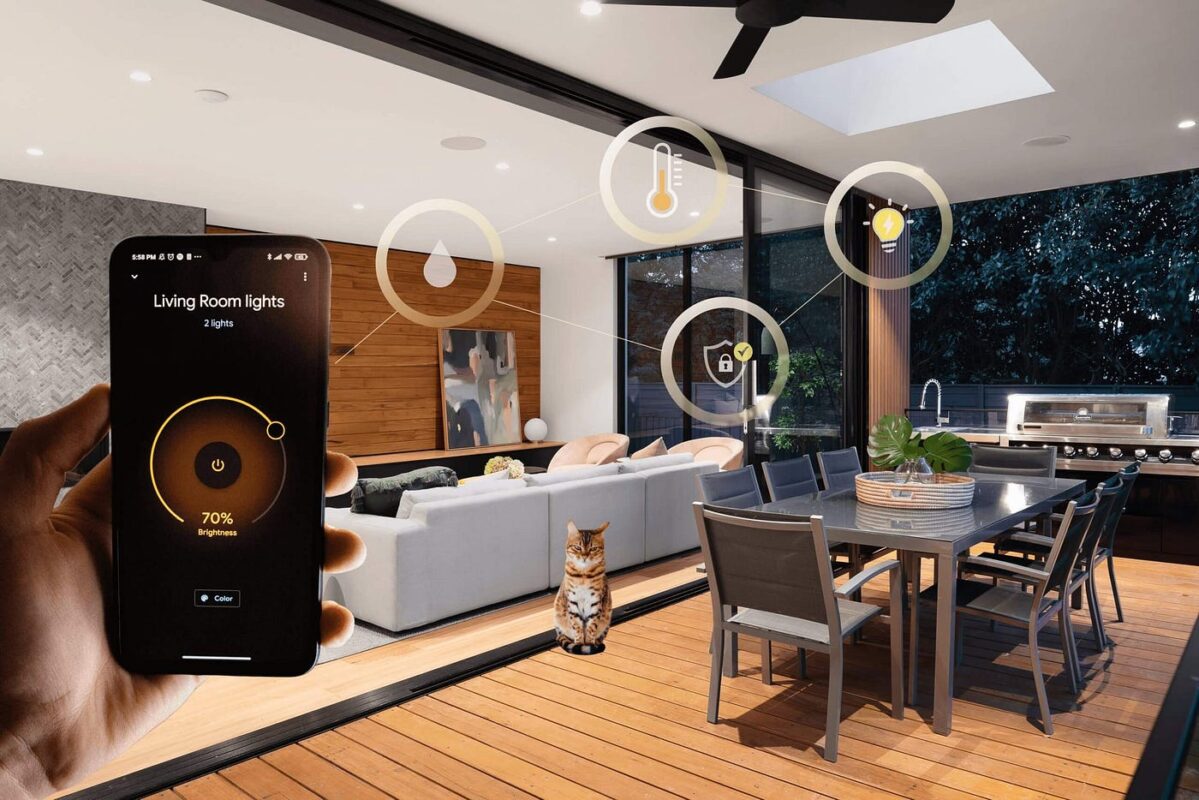
Mobile applications are the control center of any home automation system, enabling full remote management of connected devices.
Mobile app integration provides:
- Real-time control from anywhere
- Live security monitoring
- Automation scheduling
- Instant alerts and notifications
With mobile access, homeowners stay connected to their homes at all times, making home automation practical, flexible, and reliable in daily life.
Energy Management and Consumption Monitoring
Energy management is a major advantage of modern home automation, helping homeowners understand and control how electricity is used throughout the home. Automated systems track consumption in real time and adjust device behavior to reduce waste.
Key energy management features include:
- Real-time energy monitoring
- Consumption reports and insights
- Automatic shutdown of unused devices
- Peak usage alerts
These tools empower users to make smarter decisions that lower utility bills and improve efficiency.

Automated Daily Routines and Smart Scheduling
Automation routines transform energy management into a hands-free experience.
Common smart schedules include:
- Turning off lights and appliances at set times
- Adjusting climate settings based on occupancy
- Running high-consumption devices during off-peak hours
Smart scheduling ensures energy is used only when needed, without constant manual control.
Entertainment Automation: Smart TVs, Speakers, and Multi-Room Audio
Entertainment automation enhances the home experience by connecting audio and visual systems into a single, easy-to-control setup. With home automation, entertainment becomes more immersive and convenient.
Automated entertainment systems offer:
- Centralized control of TVs and speakers
- Multi-room audio synchronization
- Voice and app-based media control
Users can create scenes for movies, music, or gaming that adjust lighting, sound, and displays automatically.
Integration of IoT Devices for Seamless Connectivity
The power of home automation lies in its ability to connect multiple IoT devices into one unified system. Seamless connectivity ensures devices communicate reliably and respond instantly.
IoT integration enables:
- Cross-device automation
- Centralized monitoring
- Scalable system expansion
A well-integrated IoT ecosystem improves system stability and enhances the overall smart home experience.
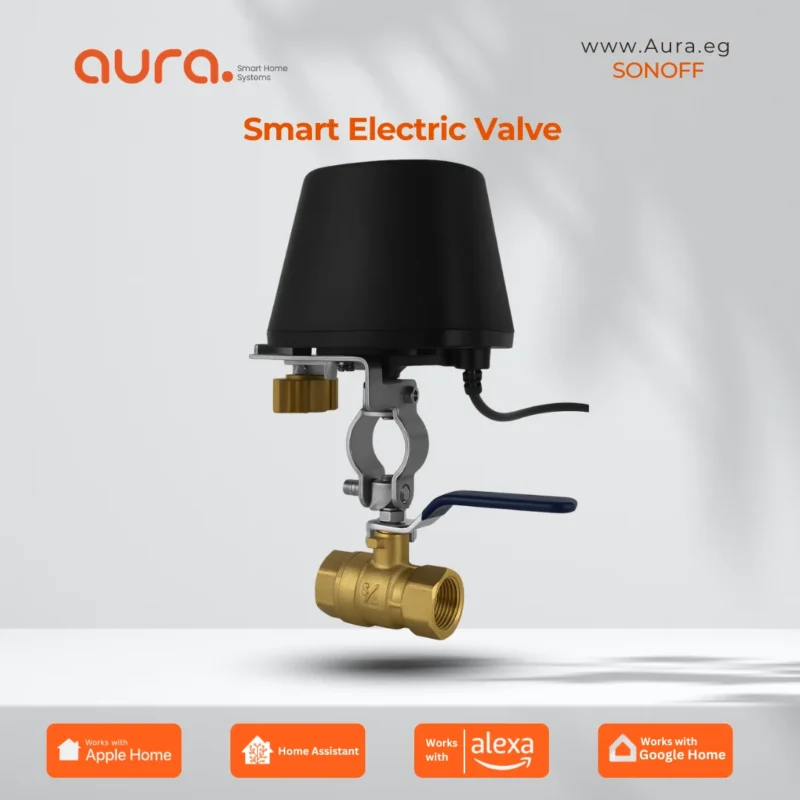
Electric Smart Valve for controlling gas and water valves – your home’s safety is in your hands
Make your home smarter and safer with the eWeLink Smart Wi-Fi Switch, designed for remote control of water or gas valves within home automation systems.
WiFi, Zigbee, Z-Wave, and Other Communication Protocols
Different communication protocols support different automation needs.
Common protocols include:
- WiFi for direct internet connectivity
- Zigbee and Z-Wave for low-power mesh networking
- Bluetooth for short-range device control
Choosing the right protocol ensures reliable performance and future scalability.
Smart Home Hubs and Centralized Control Systems
Smart hubs act as the central brain of a home automation system.
They provide:
- Unified control of devices
- Advanced automation rules
- Better compatibility across brands
Centralized control systems simplify management and improve long-term reliability.
DIY vs Professional Installation: Pros and Cons
When implementing home automation, homeowners often choose between DIY installation and professional setup. Each option has advantages depending on system complexity, budget, and technical experience.
DIY installation advantages:
- Lower upfront cost
- Quick setup for basic devices
- Flexibility to install at your own pace
DIY limitations:
- Limited automation depth
- Potential compatibility issues
- Higher risk of configuration errors
Professional installation advantages:
- Optimized system design
- Secure and stable configuration
- Better integration across devices
For full-home automation or complex systems, professional installation ensures reliability and long-term performance.

Cybersecurity and Privacy Considerations in Home Automation
Because home automation systems rely on connectivity and data exchange, cybersecurity and privacy are critical. Protecting devices and user data is essential for safe daily operation.
Key security considerations include:
- Encrypted device communication
- Secure user authentication
- Controlled access permissions
A secure setup protects both digital data and physical access points in the home.
Cost Analysis: Initial Investment vs Long-Term Savings
Understanding the cost structure of home automation helps homeowners evaluate real value over time.
Initial investment typically includes:
- Smart devices and controllers
- Installation and configuration
- Network upgrades
Long-term savings come from:
- Reduced energy bills
- Lower maintenance costs
- Improved appliance lifespan
User Experience: Convenience, Efficiency, and Lifestyle Benefits
Beyond financial savings, home automation delivers strong lifestyle benefits:
- Time-saving automation
- Improved comfort and accessibility
- Greater peace of mind
Over time, the combination of savings and daily convenience makes home automation a smart, future-ready investment.
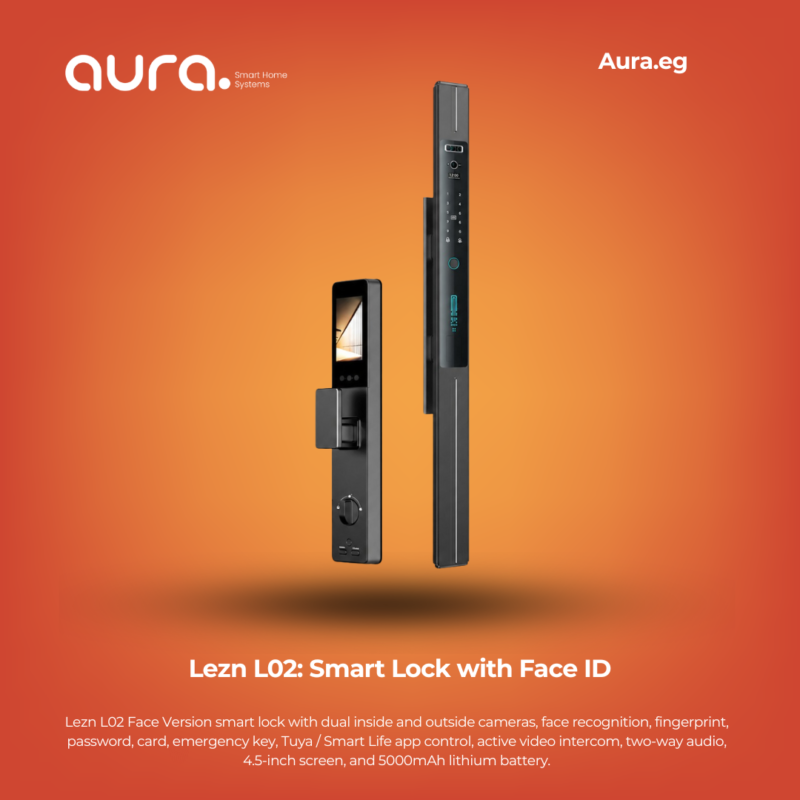
Lezn L02: Smart Lock with Face ID & 4.5″ Screen
Lezn L02 Face Version smart lock with dual inside and outside cameras, face recognition, fingerprint, password, card, emergency key, Tuya / Smart Life app control, active video intercom, two-way audio, 4.5-inch screen, and 5000mAh lithium battery.
Future Trends in Home Automation: AI, Machine Learning, and Predictive Systems
The future of home automation is increasingly driven by artificial intelligence and machine learning. These technologies allow smart homes to move beyond simple commands and become predictive and adaptive environments.
Upcoming trends include:
- AI-driven behavior learning
- Predictive climate and lighting control
- Smarter security threat detection
- Context-aware automation
Predictive systems analyze daily habits and automatically adjust settings, delivering higher efficiency, comfort, and personalization.
Sustainable Living: How Automation Supports Eco-Friendly Homes
Home automation plays a vital role in promoting sustainable and eco-friendly living. Automated systems help reduce energy waste and optimize resource usage without sacrificing comfort.
Sustainability benefits include:
- Lower electricity and water consumption
- Optimized heating and cooling
- Reduced carbon footprint
Smart homes support green living by making sustainability part of everyday routines.
Legal and Regulatory Considerations for Smart Home Devices
As smart devices collect and process data, homeowners must consider legal and regulatory responsibilities.
Key considerations include:
- Data privacy and user consent
- Compliance with local regulations
- Secure handling of personal information
Choosing trusted brands with transparent privacy policies helps ensure compliance and peace of mind.

Tips for Choosing the Right Home Automation System for Your Lifestyle
Selecting the right home automation system depends on lifestyle needs and long-term goals.
Helpful tips:
- Start with essential automation features
- Choose scalable and compatible platforms
- Prioritize security and ease of use
- Plan for future expansion
A well-matched system delivers maximum value and long-term satisfaction.
Upgrading Traditional Homes to Fully Automated Smart Homes
Upgrading an existing home to full home automation is more achievable than ever. Modern wireless technologies allow seamless upgrades without major renovations.
Upgrade strategies include:
- Replacing traditional switches with smart ones
- Adding sensors and smart controllers gradually
- Integrating devices into a unified platform
Step-by-step upgrades allow homeowners to transition smoothly into a fully automated smart home.
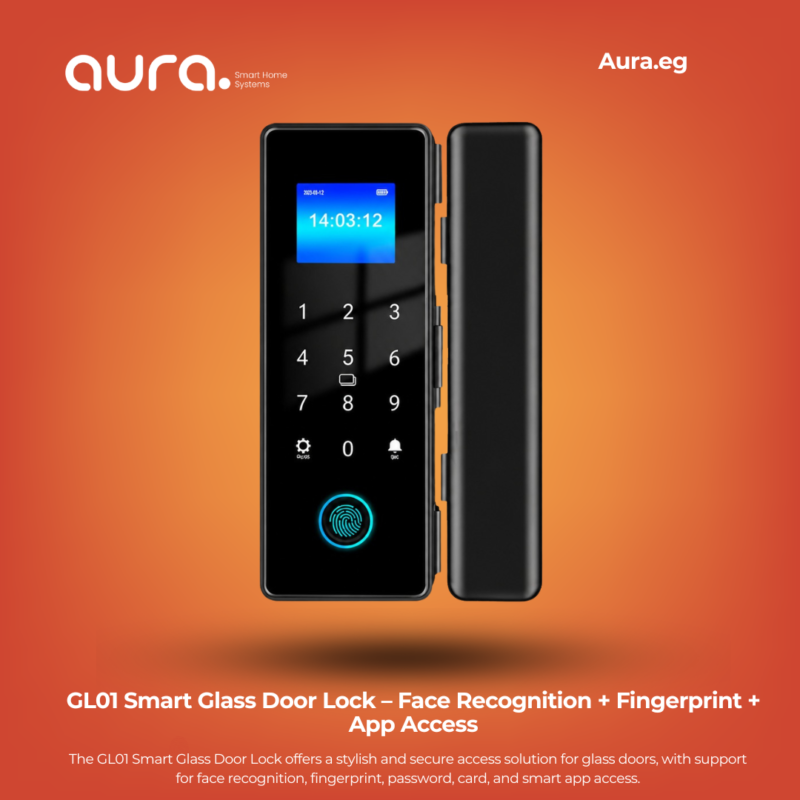
GL01 Smart Glass Door Lock – Face Recognition + Fingerprint + App Access
The GL01 Smart Glass Door Lock offers a stylish and secure access solution for glass doors, with support for face recognition, fingerprint, password, card, and smart app access, plus no-drilling installation that preserves the clean and elegant look of modern commercial spaces.
Frequently asked questions
What Is Home Automation and How Does It Work?
Home automation is the use of smart technologies to control and automate lighting, climate, security, and appliances. Devices communicate through wired or wireless networks and are managed via mobile apps, hubs, or voice assistants to perform actions automatically or on demand.
What Devices Are Essential for a Complete Home Automation System?
A complete home automation system typically includes:
Smart lighting and switches
Smart thermostats or AC controllers
Smart locks, cameras, and sensors
A central hub or mobile app for control
These core devices provide comfort, security, and energy efficiency.
Can Home Automation Systems Be Controlled Remotely via Smartphones?
Yes. Most modern home automation systems allow full remote control via smartphone apps, enabling users to monitor, control devices, receive alerts, and manage automation routines from anywhere in the world.
How Much Does It Cost to Set Up a Smart Home Automation System?
The cost of home automation varies based on system size, device types, and automation depth.
General cost ranges:
Entry-level systems: basic lighting and plug automation
Mid-range systems: integrated lighting, climate, and security
Advanced systems: full-home automation with centralized control
Costs can be managed by starting small and expanding gradually over time.
Are Home Automation Systems Secure from Hacking and Privacy Risks?
Yes, home automation systems can be secure when proper measures are taken.
Best security practices include:
Using strong passwords and two-factor authentication
Keeping firmware and apps regularly updated
Securing the home WiFi network
Choosing reputable brands with encryption and privacy policies
Following these practices helps protect both personal data and home security.