


Blog
Smart Home Technology: Revolutionizing Modern Living

Smart home technology is redefining how people interact with their homes. It refers to a connected ecosystem of devices and systems that work together to automate daily tasks, improve security, and increase energy efficiency. As lifestyles become faster and more digital, smart homes offer a practical way to manage comfort and control with minimal effort.
Smart home technology enhances modern living by:
- Delivering greater convenience through automation
- Strengthening home security and monitoring
- Improving energy efficiency and sustainability
With the rapid global adoption of connected devices, smart homes are no longer futuristic concepts—they are becoming the new standard of modern living.

Table of Contents
Core Components of Smart Home Technology
A complete smart home technology setup is built on several interconnected components that operate as one intelligent system. Each component plays a specific role in ensuring automation, control, and reliability.
The core components include:
- Smart controllers or hubs
- Connected devices such as lights, thermostats, and locks
- Sensors and detectors
- Mobile and voice control interfaces
When combined, these elements create a seamless environment where devices communicate, respond automatically, and adapt to user preferences.
Smart Lighting Systems for Convenience and Energy Efficiency
Smart lighting systems are often the entry point into smart home technology because they offer immediate and visible benefits.
Key advantages include:
- Remote control via mobile apps
- Automated scheduling based on time or occupancy
- Scene creation for different moods and activities
- Reduced electricity consumption
Smart lighting improves comfort while helping homeowners lower energy costs, making it one of the most practical smart home upgrades.
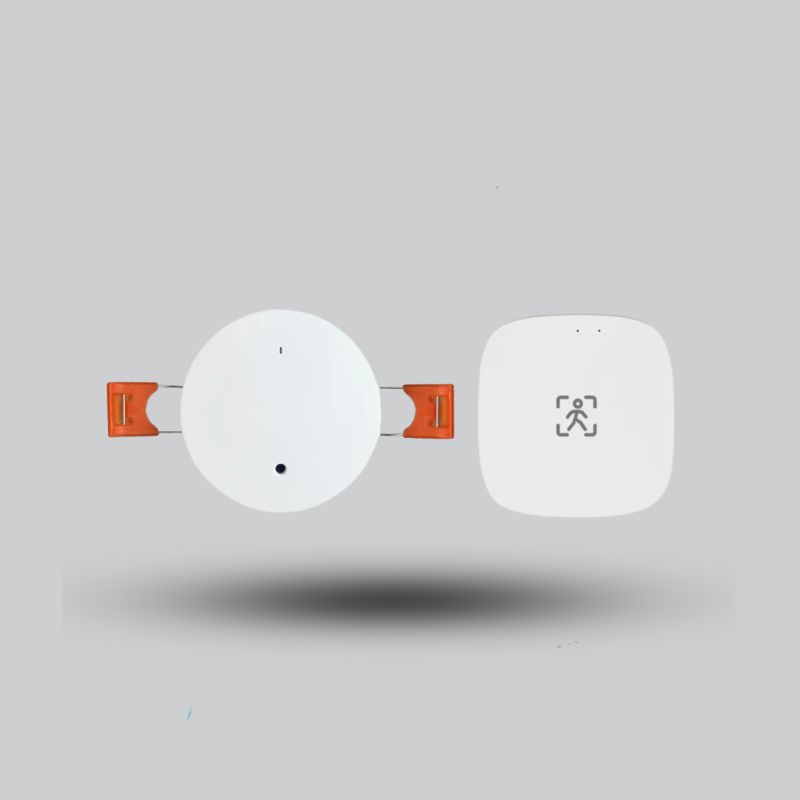
Ceiling-mounted Wi-Fi occultation sensor
Upgrade your home with the Wenzhi WZ-M100 Motion Sensor! Detects movement accurately, automates lights, and integrates with Tuya Smart Life for total convenience.
Intelligent Climate Control: Heating, Cooling, and Ventilation
Intelligent climate control is a major pillar of smart home technology. These systems manage heating, cooling, and ventilation automatically to maintain optimal indoor conditions.
Smart climate control systems provide:
- Automated temperature adjustment
- Remote control and monitoring
- Energy-efficient operation
- Consistent indoor comfort
By responding to occupancy, schedules, and environmental changes, intelligent climate systems reduce energy waste while enhancing daily comfort.
Home Security Systems: Smart Locks, Alarms, and Surveillance Cameras
Security is one of the most important drivers behind the adoption of smart home technology. Smart security systems provide continuous monitoring and real-time alerts, offering stronger protection than traditional solutions.
Smart home security typically includes:
- Smart door locks for keyless access
- Alarm systems with instant notifications
- Indoor and outdoor surveillance cameras
These systems allow homeowners to monitor their property remotely, receive alerts instantly, and maintain full control over access and safety at all times.

Sensors and Detectors: Motion, Smoke, Water, and Environmental Monitoring
Sensors and detectors are the foundation of automation and safety within smart home technology. They provide real-time data that allows the home to react instantly to changes in the environment.
Key sensor types include:
- Motion sensors for presence detection
- Smoke and gas detectors for safety alerts
- Water leak sensors to prevent damage
- Temperature and humidity sensors for climate control
These sensors enable proactive responses, improving both safety and efficiency.
Voice Control Integration with Alexa, Google Assistant, and Siri
Voice control enhances smart home technology by allowing hands-free interaction with connected devices. Voice assistants make it easier to manage multiple systems quickly and naturally.
Key benefits include:
- Instant voice commands
- Centralized control of multiple devices
- Improved accessibility for all users
Voice integration simplifies everyday home operations.
How Voice Assistants Streamline Daily Home Operations
Voice assistants streamline routines by:
- Controlling lighting and climate
- Managing security functions
- Activating automation scenes
This reduces the need for manual app usage and speeds up daily tasks.
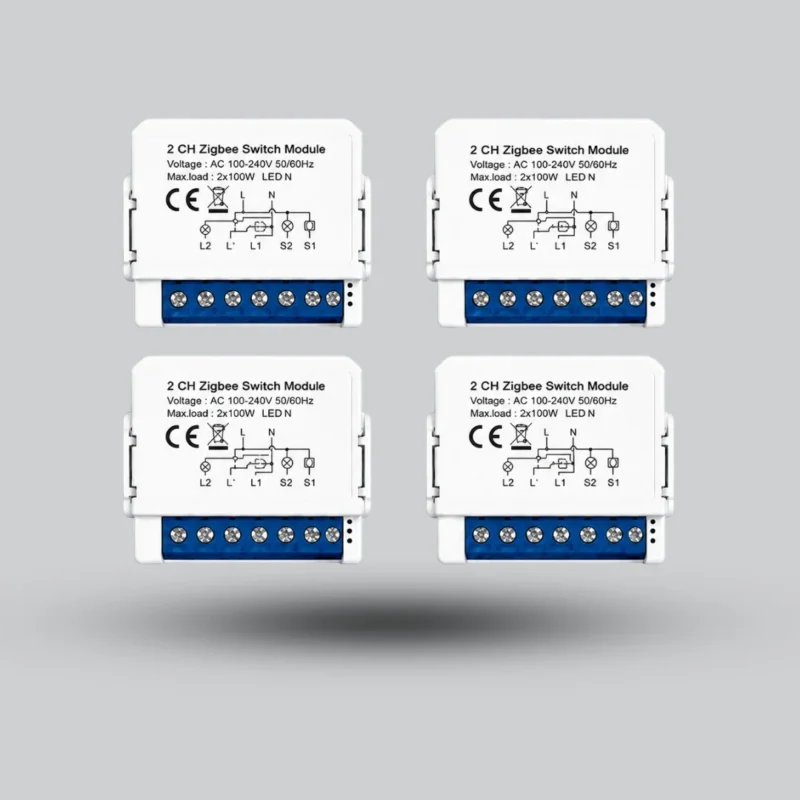
AVATTO ZigBee Mini Smart Switch Module
The AVATTO ZigBee Tuya Mini Smart Switch Module is a compact smart switch module designed to turn traditional switches into smart ones without changing their appearance, with support for ZigBee 3.0, Tuya / Smart Life, voice control, scheduling, and two-way switch control for smarter lighting automation.
Mobile Apps and Remote Control Capabilities
Mobile applications serve as the main control center for smart home technology, enabling homeowners to manage their systems from anywhere.
Mobile app features include:
- Real-time device control
- Live security monitoring
- Automation scheduling
- Instant alerts and notifications
Remote access ensures continuous control and peace of mind, even when users are away from home.
Automated Routines and Schedules for Daily Convenience
Automation routines allow smart home technology to operate without constant manual input. These routines connect multiple devices to perform actions automatically.
Common automation routines include:
- Morning and night scenes
- Away and vacation modes
- Energy-saving schedules
Well-designed routines enhance comfort, reduce energy usage, and simplify daily life.
Entertainment Systems: Smart TVs, Speakers, and Multi-Room Audio
Smart home technology transforms home entertainment into a fully connected and immersive experience. Entertainment systems can be controlled centrally, automated, and synchronized across rooms for maximum convenience.
Smart entertainment solutions include:
- Smart TVs with app and voice control
- Wireless speakers with high-quality audio
- Multi-room audio systems for whole-home sound
These systems integrate seamlessly with lighting and automation scenes.

Creating a Fully Integrated Entertainment Experience
An integrated entertainment setup allows:
- Automatic lighting adjustments for movies
- Audio synchronization across multiple rooms
- Voice or app-based media control
This creates a personalized, cinema-like experience at home with minimal effort.
Integration of IoT Devices for Seamless Communication
The power of smart home technology lies in connecting multiple IoT devices into one unified system. Seamless communication ensures devices work together reliably and respond instantly.
IoT integration enables:
- Cross-device automation
- Centralized monitoring
- Scalable system expansion
A well-integrated IoT ecosystem improves system stability and overall performance.
Smart Appliances: Refrigerators, Ovens, Washing Machines, and More
Smart appliances bring automation into everyday household tasks, making homes more efficient and convenient.
Common smart appliances include:
- Smart refrigerators with usage monitoring
- Smart ovens with remote control
- Smart washing machines with automated cycles
These appliances connect to apps and smart hubs for better control and efficiency.
Connectivity Protocols: WiFi, Zigbee, Z-Wave, and Bluetooth
Smart appliances and devices rely on different communication protocols.
Common protocols include:
- WiFi for direct internet access
- Zigbee and Z-Wave for low-power mesh networks
- Bluetooth for short-range connectivity

Ensuring Reliable Connections and System Compatibility
To ensure reliable performance:
- Choose compatible devices and protocols
- Use strong network infrastructure
- Rely on centralized control platforms
Proper protocol selection ensures long-term stability and seamless device interaction.
Smart Hubs and Centralized Management Systems
Smart hubs act as the central brain of smart home technology, connecting all devices into one unified system. They allow different brands and protocols to work together smoothly, creating a consistent user experience.
Key benefits of smart hubs include:
- Centralized device control
- Advanced automation rules
- Improved system stability
- Easier scalability
Centralized management systems simplify daily control and reduce complexity as smart homes grow.
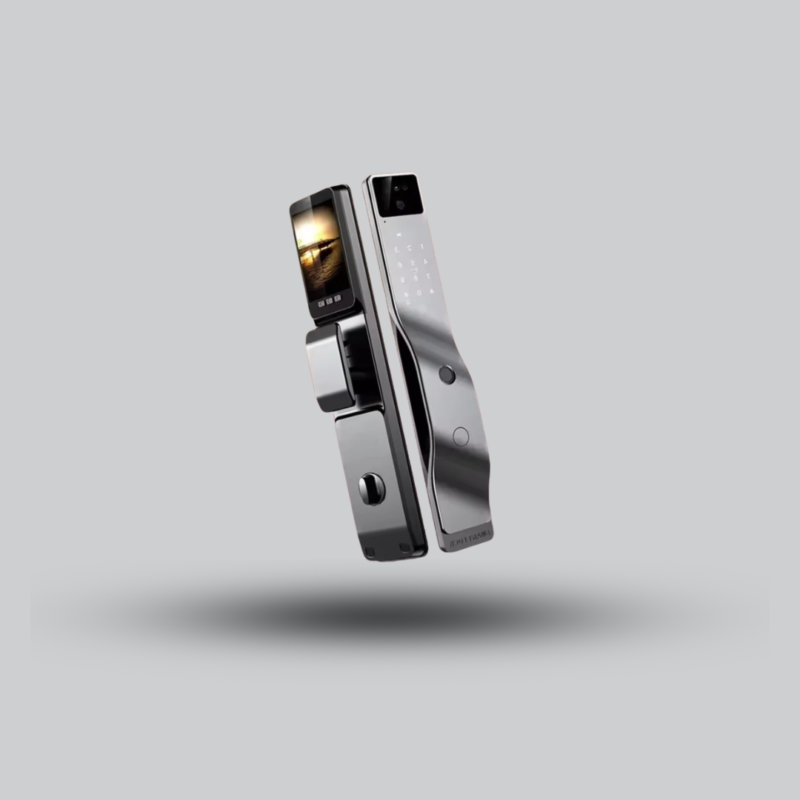
CatchFace Y17 Smart Lock with Camera, Tuya App, Face Recognition, Fingerprint & WiFi
The CatchFace Y17 Smart Lock delivers modern door security with face recognition, fingerprint access, password, IC card, WiFi, Tuya Smart app control, and a mechanical emergency key. It features a built-in camera, remote video call, two-way audio, integrated doorbell, 4200mAh rechargeable lithium battery, and a durable aluminum alloy body for homes, apartments, and offices.
DIY vs Professional Installation: Pros and Cons
When adopting smart home technology, homeowners can choose between DIY installation or professional setup, depending on system size and technical requirements.
DIY installation advantages:
- Lower initial cost
- Quick setup for basic devices
- Flexibility for small systems
DIY limitations:
- Limited automation depth
- Possible compatibility issues
Professional installation advantages:
- Optimized system design
- Secure configuration
- Reliable long-term performance
For large or fully integrated smart homes, professional installation is often the best choice.
Cybersecurity and Data Privacy Considerations
Because smart home technology relies on connectivity and data exchange, cybersecurity and privacy are essential. Protecting devices and personal data ensures safe and reliable operation.
Key security considerations include:
- Encrypted communication
- Strong user authentication
- Regular software updates
Protecting Your Smart Home from Potential Threats
To maintain a secure smart home:
- Use strong, unique passwords
- Enable two-factor authentication
- Secure the home WiFi network
- Update firmware regularly
These steps help safeguard smart homes from hacking and privacy risks.

Energy Management and Monitoring for Sustainable Living
Smart home technology plays a major role in promoting sustainable living by helping homeowners monitor, control, and optimize energy usage. Intelligent systems reduce waste while maintaining comfort and performance.
Key energy management benefits include:
- Real-time energy monitoring
- Automatic shutdown of unused devices
- Optimized heating and cooling schedules
- Lower electricity bills
By using data-driven automation, smart homes support eco-friendly lifestyles and long-term cost savings.
Cost Analysis: Budgeting for Smart Home Implementation
Planning the budget is a crucial step when adopting smart home technology. Costs vary depending on the number of devices, level of automation, and installation method.
Main cost factors include:
- Smart devices and sensors
- Smart hubs and controllers
- Installation and setup
- Network upgrades
Smart home projects can start small and expand gradually, making them accessible for different budgets.

Future Trends: AI, Machine Learning, Predictive Automation, and Beyond
The future of smart home technology is driven by innovation and artificial intelligence.
Upcoming trends include:
- Predictive automation based on behavior analysis
- AI-powered security and monitoring
- Self-optimizing energy systems
- Greater personalization
What the Next Generation of Smart Homes Will Offer
Next-generation smart homes are expected to deliver:
- Smarter decision-making without user input
- Deeper integration across devices
- Faster and more accurate automation responses
These advancements will make smart homes more intuitive and adaptive.
User Experience: Convenience, Comfort, and Lifestyle Enhancements
At the heart of smart home technology is the user experience. Automation simplifies daily routines while improving overall quality of life.
User experience benefits include:
- Hands-free control
- Personalized automation routines
- Reduced manual tasks
- Greater peace of mind
Smart homes adapt to user habits, creating living spaces that are not only connected, but also comfortable and intuitive.


Legal and Regulatory Considerations for Smart Home Technology
As smart home technology becomes more widespread, homeowners should be aware of legal and regulatory considerations related to data usage, privacy, and device compliance. Smart devices often collect data to function effectively, making transparency and responsibility essential.
Key considerations include:
- Data privacy and user consent
- Compliance with local regulations
- Secure storage and transmission of personal data
- Clear manufacturer privacy policies
Choosing reputable brands and understanding how data is handled helps ensure safe and compliant smart home usage.
Tips for Choosing the Right Smart Home Devices and Systems
Selecting the right smart home technology requires careful planning to ensure compatibility, reliability, and long-term value.
Important tips include:
- Start with core automation needs
- Choose devices that support common protocols
- Ensure compatibility across platforms
- Prioritize security features and updates
- Plan for future expansion
Key Factors to Consider for Seamless Integration
For smooth integration, consider:
- Device compatibility with existing systems
- Quality of mobile apps and user interface
- Availability of technical support and warranties
A well-chosen system delivers a consistent and frustration-free smart home experience.
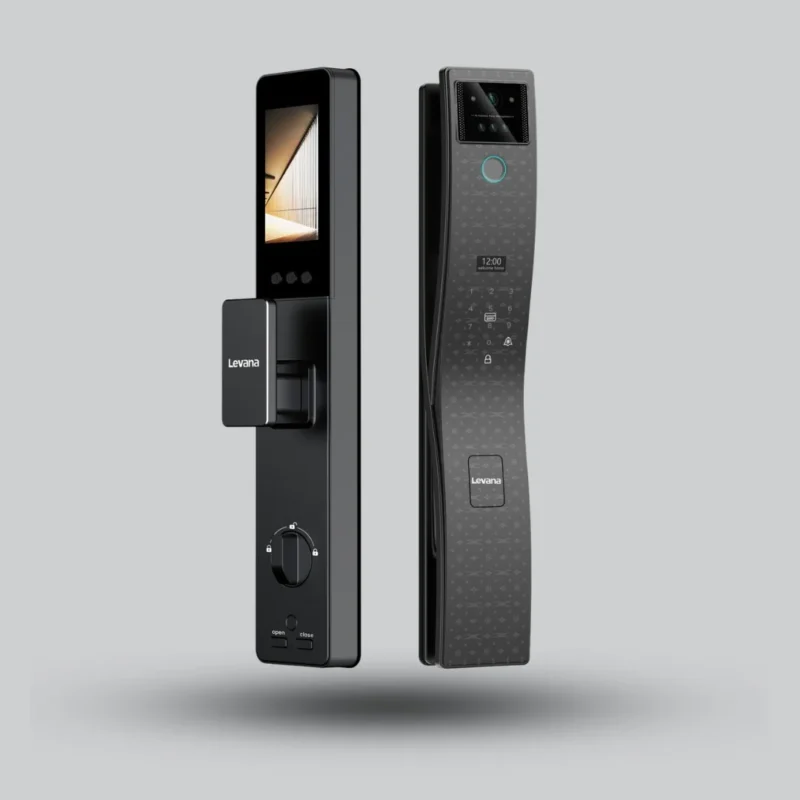
Levana SMART LOCK I19 Ai Cat Eye Black – Smart Lock with Cat Eye Camera and 4.5-Inch Indoor Screen
The Levana SMART LOCK I19 Ai Cat Eye Black is a complete smart lock for wooden and steel doors, featuring precise fingerprint unlock, password, IC card, a 1MP color cat eye camera, and a 4.5-inch indoor display, with full support for Tuya / Smart Life and Hi Levana voice commands for a smarter and more elegant entry experience.
Upgrading Existing Homes to Fully Integrated Smart Homes
Upgrading a traditional home using smart home technology is now easier than ever. Wireless solutions allow homeowners to modernize without major structural changes.
Effective upgrade strategies include:
- Replacing traditional switches with smart ones
- Adding sensors and smart controllers gradually
- Integrating devices through a centralized hub
Step-by-step upgrades make it possible to transform any existing home into a fully connected smart living environment without disruption.

Frequently asked questions
What Is Smart Home Technology and How Does It Work?
Smart home technology refers to connected devices and systems that automate and control lighting, security, climate, appliances, and entertainment. These devices communicate through wireless networks and are managed via mobile apps, smart hubs, or voice assistants to perform actions automatically or on demand.
What Are the Essential Devices for a Complete Smart Home System?
A complete smart home technology setup usually includes:
Smart lighting and switches
Smart thermostats or climate controllers
Smart locks, cameras, and sensors
A smart hub or unified mobile app
These devices work together to provide comfort, security, and energy efficiency.
Can Smart Home Technology Be Controlled Remotely via Smartphone Apps?
Yes. Most smart home technology solutions support full remote control through smartphone apps, allowing users to monitor devices, adjust settings, receive alerts, and manage automation routines from anywhere.
How Secure Are Smart Home Devices from Hacking or Privacy Breaches?
Smart home devices are secure when best practices are followed, such as:
Using strong passwords
Enabling two-factor authentication
Keeping firmware and apps up to date
Securing the home WiFi network
Reputable brands also use encryption and secure communication protocols
What Is the Cost of Setting Up a Fully Integrated Smart Home?
The cost of smart home technology depends on system size and complexity:
Entry-level setups focus on lighting and plugs
Mid-range systems include climate and security
Advanced systems offer full-home automation
Most homeowners start small and expand gradually based on budget and needs.