


Blog
Egypt Smart Home: Transforming Modern Living in Egypt

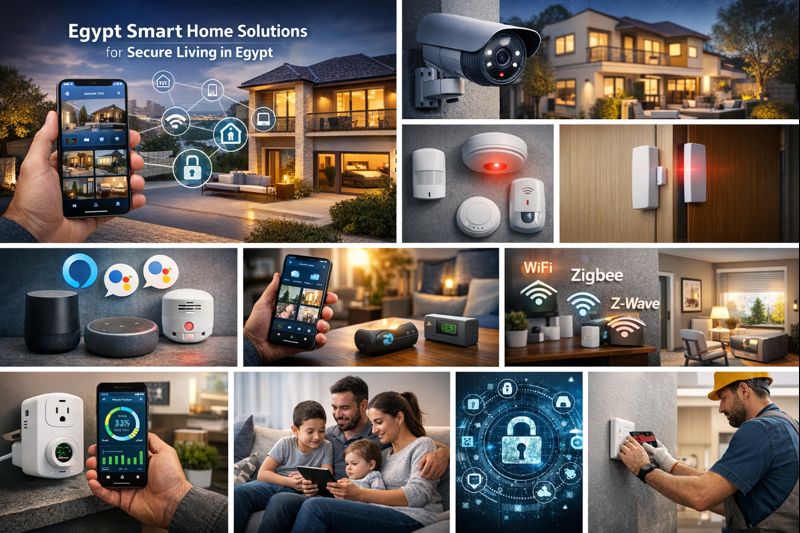
An Egypt smart home is no longer a luxury. It has become a practical solution for homeowners and businesses looking for better security, energy efficiency, and daily comfort. With the rapid growth of smart technology in Egypt, modern homes can now be controlled, monitored, and automated easily through mobile apps and intelligent systems designed for local needs.
Table of Contents

What is a Smart Home and Why It Is Becoming Essential in Egypt
A smart home is a property equipped with connected devices that can be controlled remotely or automated based on daily routines. In the context of Egypt smart home solutions, these systems are designed to handle local challenges such as electricity usage, internet stability, and security concerns.
Smart homes in Egypt are becoming essential because they offer:
- Remote control of lighting, appliances, and security
- Improved safety through cameras and sensors
- Energy savings in a country with rising electricity costs
- Convenience for families, offices, and rental properties
Key reasons for adoption in Egypt include:
- Increased demand for home security
- Growing awareness of energy efficiency
- Wider availability of affordable smart devices
- Compatibility with apartments, villas, and commercial spaces
Core Components of a Smart Home System in Egypt
A complete Egypt smart home system consists of multiple devices working together through a central platform. Each component plays a specific role in automation, safety, and comfort.
The main components include:
- Smart hubs or controllers to connect all devices
- Smart lighting and switches
- Security cameras and alarm systems
- Smart locks and video doorbells
- Motion, door, and window sensors
- Mobile applications for full remote management
A typical smart home setup in Egypt follows these steps:
- Install a central hub (Wi-Fi or Zigbee-based)
- Connect essential devices like lights and sensors
- Configure automation rules and schedules
- Control everything through a mobile app
This modular approach allows homeowners to start small and expand over time without replacing existing systems.
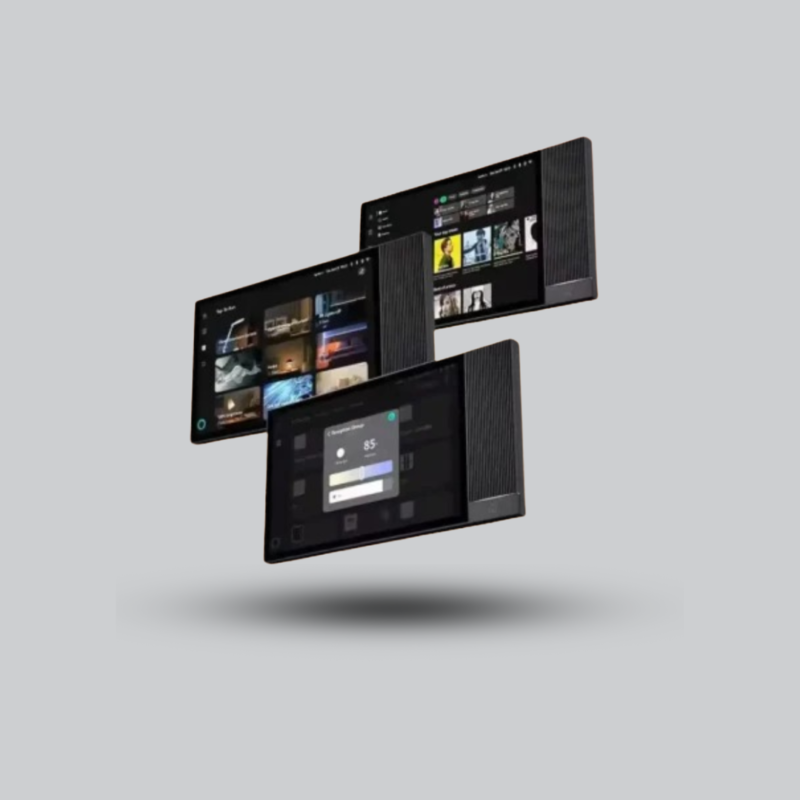
Tuya 8 Inch Zigbee Smart Home Control Panel – Central Smart Home Panel with Music System
The Tuya 8 Inch Zigbee Smart Home Control Panel is a multifunction smart home hub that combines an 8-inch HD touch screen, Android 11, a built-in Zigbee 3.0 gateway, Wi-Fi / Bluetooth / 485 connectivity, built-in Alexa, and a practical music system in one elegant wall-mounted design for modern smart homes and projects.
Smart Lighting Systems and Energy Efficiency
Smart lighting is one of the most popular features in any Egypt smart home because it delivers immediate benefits. These systems allow users to control lights remotely, set schedules, and reduce unnecessary energy consumption.
Key benefits of smart lighting include:
- Lower electricity bills through automation
- Remote on/off control via mobile apps
- Dimming and brightness control
- Scene creation for different moods and activities
- Integration with motion sensors
Smart lighting helps Egyptian households by:
- Automatically turning off lights in empty rooms
- Adjusting brightness based on daylight
- Supporting LED technology for long-term savings
Common smart lighting use cases:
- Night mode lighting for hallways
- Automated outdoor lighting for security
- Scheduled lighting for shops and offices

Intelligent Climate Control: Heating and Cooling Management
Climate control is a critical element of any Egypt smart home, especially with Egypt’s hot summers and varying seasonal temperatures. Smart climate systems allow homeowners to manage air conditioners, heaters, and ventilation efficiently without constant manual adjustments.
Key features of smart climate control include:
- Remote temperature control via mobile apps
- Automated scheduling based on daily routines
- Integration with sensors to detect room occupancy
- Reduced energy consumption during peak hours
Common applications in Egypt:
- Automatically turning off AC units when rooms are empty
- Adjusting cooling levels during daytime and nighttime
- Managing multiple AC units from one interface
Smart climate control improves comfort while reducing unnecessary electricity usage, making it a practical upgrade for Egyptian households and businesses.
Optimizing Temperature for Comfort and Energy Savings
Optimizing indoor temperature is essential for both comfort and cost control in an Egypt smart home environment. Smart systems continuously adjust settings based on real-time conditions.
Best optimization practices include:
- Setting temperature limits to avoid overcooling
- Using motion sensors to control AC operation
- Scheduling cooling cycles during off-peak hours
Benefits of proper optimization:
- Lower monthly electricity bills
- Longer lifespan for HVAC equipment
- Stable and comfortable indoor environments

Smart Locks and Advanced Entry Systems
Smart locks are transforming how access is managed in modern Egypt smart home setups. These systems replace traditional keys with secure digital access methods, offering better control and tracking.
Common smart lock features include:
- Fingerprint and PIN access
- Mobile app unlocking
- Temporary access codes for guests or staff
- Access logs for entry and exit monitoring
- Tamper alerts for unauthorized attempts
Smart locks are widely used in Egypt for:
- Apartments and villas
- Offices and shared workspaces
- Rental properties and Airbnb units
They enhance security while eliminating issues related to lost or duplicated keys.

Home Security Systems and Surveillance Solutions
Security remains a top priority for any Egypt smart home installation. Integrated security systems provide real-time monitoring and instant alerts, helping homeowners stay connected to their property at all times.
Core elements of smart security systems include:
- Surveillance cameras (indoor and outdoor)
- Alarm systems and sirens
- Motion and entry sensors
- Mobile notifications and alerts
Key advantages for Egyptian users:
- 24/7 remote monitoring
- Faster response to suspicious activity
- Visual evidence through recorded footage
Smart surveillance solutions are suitable for homes, shops, offices, and warehouses across Egypt, offering scalable protection based on property size and risk level.

Indoor and Outdoor Smart Cameras for Complete Monitoring
Smart cameras are a core element of any Egypt smart home security system. They provide real-time video monitoring, recording, and instant alerts, allowing homeowners to stay aware of what is happening inside and outside their property.
Key advantages of smart cameras include:
- Live video streaming via mobile apps
- High-resolution footage (Full HD, 2K, or 4K)
- Night vision for low-light conditions
- Motion-based alerts with instant notifications
- Cloud or local storage options
Smart cameras are commonly used in Egypt for:
- Monitoring entrances and exits
- Securing outdoor areas and garages
- Supervising indoor spaces such as living rooms or offices
They offer peace of mind whether the user is at home or away.
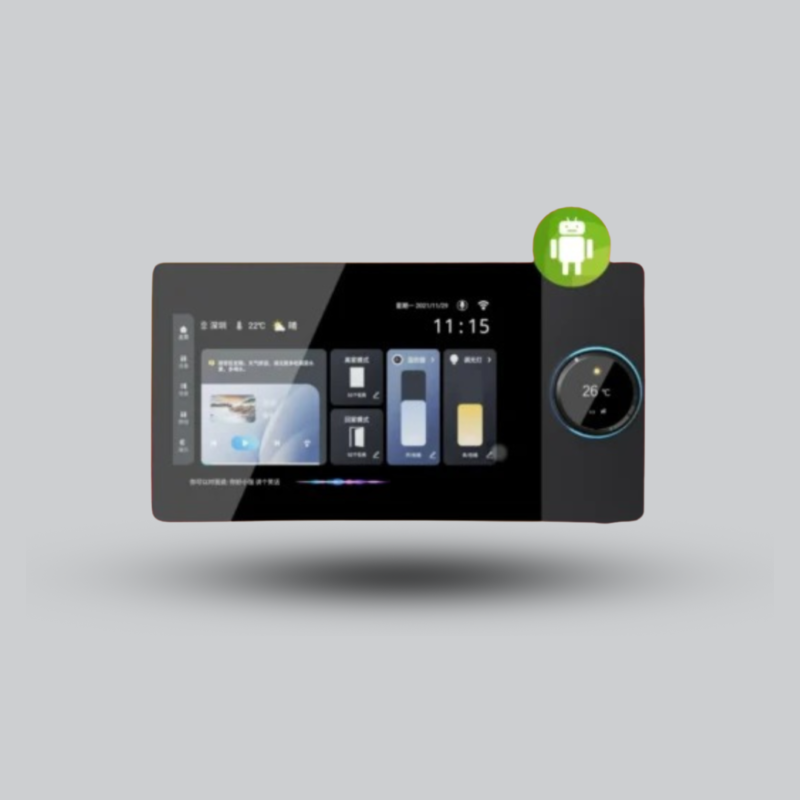
Tuya 8 Inch Smart Home Control Panel – All-in-One Smart Home Panel with Audio System for WiFi and Zigbee Devices
The Tuya 8 Inch Smart Home Control Panel works as a complete smart home control center that supports WiFi and Zigbee devices, making it easier to manage lighting, curtains, smart scenes, and connected systems from one elegant wall-mounted interface. It combines an 8-inch IPS display, Android 8.1, a built-in audio system, a rotary control knob, and voice control via Alexa for a smoother smart living experience.
Choosing the Right Camera for Each Area
Selecting the correct camera is essential for maximizing protection in an Egypt smart home environment. Different areas require different specifications.
Best practices for camera selection:
- Outdoor cameras should be weather-resistant and support night vision
- Indoor cameras should offer wide viewing angles and privacy modes
- PTZ cameras are ideal for large areas requiring flexible coverage
- Fixed cameras work well for focused entry points
Choosing the right camera ensures effective monitoring without unnecessary costs.
Door and Window Sensors for Enhanced Protection
Door and window sensors act as the first line of defense in an Egypt smart home security system. These small but powerful devices detect unauthorized openings and trigger alerts immediately.
Key benefits include:
- Instant notifications when doors or windows are opened
- Integration with alarm systems
- Low power consumption with long battery life
- Easy installation without structural changes
Common use cases in Egypt:
- Protecting main entrances
- Securing balcony doors and windows
- Monitoring storage rooms and offices
These sensors are especially useful for apartments, villas, and commercial spaces where quick detection is critical.
Motion, Smoke, and Gas Detection Sensors
Advanced detection sensors significantly increase safety levels in an Egypt smart home. These devices go beyond intrusion detection to protect against environmental risks.
Main sensor types include:
- Motion sensors for movement detection
- Smoke sensors for early fire alerts
- Gas sensors for detecting leaks
Benefits of smart detection sensors:
- Real-time alerts sent to mobile devices
- Automatic system actions such as activating alarms
- 24/7 monitoring even when no one is home
Typical applications:
- Motion detection in hallways and staircases
- Smoke detection in kitchens and electrical rooms
- Gas leak monitoring in kitchens and utility areas
These sensors help prevent serious damage and enhance overall home safety.
Voice Control Integration with Alexa, Google Assistant, or Local Solutions
Voice control has become a key feature in any modern Egypt smart home, allowing users to manage devices hands-free using simple voice commands. These systems improve accessibility and daily convenience for all family members.
Main voice control capabilities include:
- Turning lights on and off
- Adjusting air conditioning and temperature
- Locking or unlocking doors
- Activating predefined scenes
- Checking system status verbally
Voice control solutions commonly used in Egypt:
- Amazon Alexa
- Google Assistant
- Local or app-based voice solutions for limited internet environments
Voice integration works best when combined with smart hubs that support multiple devices and protocols.
Setting Up Voice Commands for Convenience
Proper setup ensures reliable voice control in an Egypt smart home environment. Clear command structure and device naming are essential.
Best setup practices:
- Use simple and unique device names
- Group devices by room or function
- Create custom routines for daily activities
Benefits of good configuration:
- Faster response times
- Fewer command errors
- Improved user experience

Mobile Apps for Remote Home Management
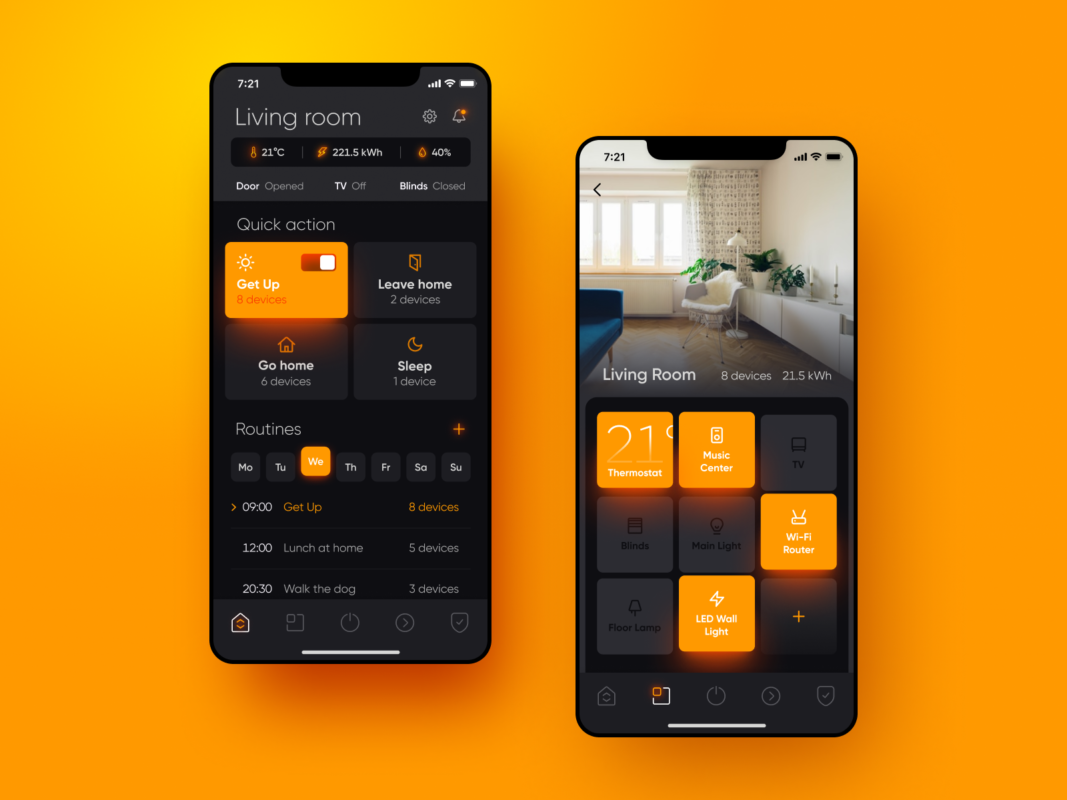
Mobile applications are the control center of any Egypt smart home system. They allow users to manage all connected devices from anywhere with an internet connection.
Key features of smart home apps include:
- Real-time device control
- Live camera viewing
- Automation and scheduling
- Instant notifications and alerts
- User access management
Mobile apps are especially useful in Egypt for:
- Monitoring homes while traveling
- Managing rental properties remotely
- Controlling office systems outside working hours
A well-designed app simplifies complex systems into a user-friendly interface.
Integrating Multiple Devices into a Seamless Smart Network
A successful Egypt smart home depends on how well devices communicate with each other. Integration ensures that lighting, security, climate, and sensors work together smoothly.
Core integration elements include:
- Central smart hubs
- Compatible communication protocols
- Unified control platforms
- Automation rules across devices
Benefits of strong integration:
- Fewer system conflicts
- Faster automation responses
- Easier system expansion
Proper integration allows homeowners to add new devices without rebuilding the entire system.

Comparing WiFi, Zigbee, and Z-Wave Technologies in Egypt
Choosing the right communication technology is a critical decision for any Egypt smart home system. Each protocol has different strengths depending on home size, device count, and network stability.
Main smart home technologies used in Egypt:
- WiFi
- Zigbee
- Z-Wave
Key comparison points:
- Network stability
- Power consumption
- Device scalability
- Internet dependency
Understanding these differences helps homeowners build reliable and future-proof smart home systems.
Advantages and Limitations of Each Technology
Each technology serves a specific purpose in an Egypt smart home environment.
WiFi
- Advantages:
- Easy setup
- No additional hub required
- Widely available in Egypt
- Limitations:
- Higher power consumption
- Network congestion with many devices
Zigbee
- Advantages:
- Low power usage
- Mesh networking for better coverage
- Ideal for sensors and lighting
- Limitations:
- Requires a compatible hub
Z-Wave
- Advantages:
- Stable communication
- Less interference
- Strong security standards
- Limitations:
- Limited device availability in Egypt
- Slightly higher cost

Automated Daily Routines for Convenience and Efficiency
Automation is what turns a connected house into a true Egypt smart home. Automated routines allow devices to operate together without manual control.
Common automation routines include:
- Morning routines to open curtains and adjust lighting
- Away mode to activate security systems
- Night mode to lock doors and turn off unused devices
Benefits of automation:
- Time savings
- Reduced human error
- Improved energy efficiency
Automated routines adapt to lifestyle patterns and reduce the need for constant app interaction.
Energy Monitoring and Smart Electricity Usage Analysis
Energy monitoring is an essential feature of advanced Egypt smart home systems. It provides detailed insights into how electricity is consumed across different devices.
Key energy monitoring features:
- Real-time consumption tracking
- Daily and monthly usage reports
- High-consumption alerts
- Smart plug-level monitoring
Benefits for Egyptian homeowners:
- Lower electricity bills
- Identification of energy-wasting devices
- Better control during peak usage periods
Smart energy analysis helps users make informed decisions that balance comfort and cost.
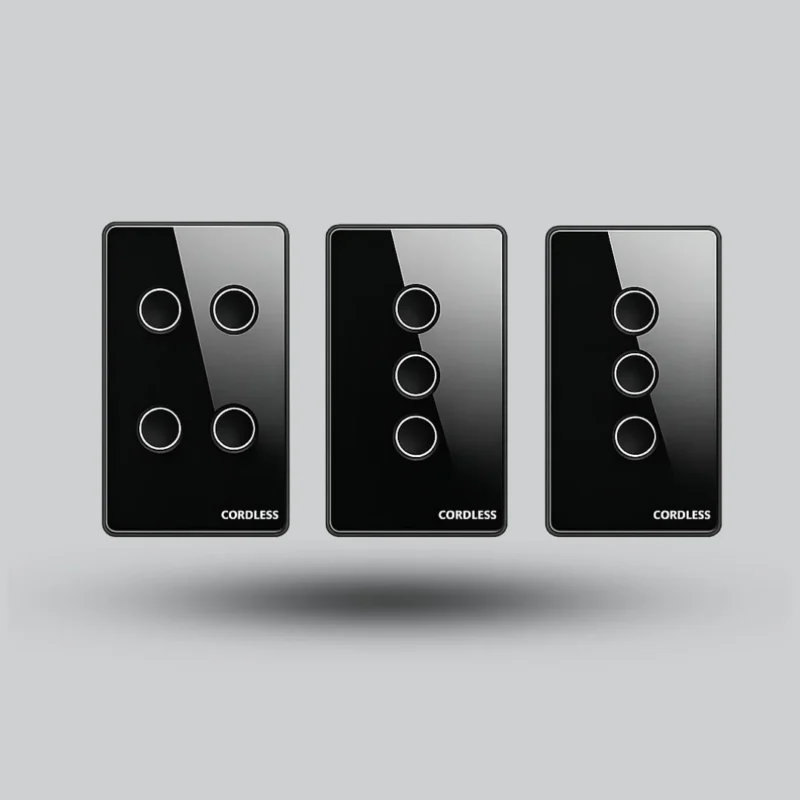
Cordless WiFi Smart Touch Switch 2/3/4 Gang
The Cordless WiFi Smart Touch Switch 2/3/4 Gang offers convenient smart lighting control through WiFi 2.4G, Tuya Smart / Smart Life, and Google Assistant, with a modern touch design, family sharing, and flexible options for 2 / 3 / 4 gang configurations.
User Experience and Ease of Use for Egyptian Homeowners
User experience plays a major role in the success of any Egypt smart home system. If the system is difficult to use, it quickly loses its value, regardless of how advanced the technology is.
Key usability factors include:
- Simple mobile app interfaces
- Clear device naming and organization
- Fast response times
- Minimal setup complexity
What Egyptian homeowners value most:
- Easy daily operation
- Reliable performance
- Arabic and English language support
A well-designed smart home system should feel intuitive for all family members, including children and elderly users.
Tips for Enhancing Usability
Improving usability increases long-term satisfaction with an Egypt smart home setup.
Practical tips include:
- Group devices by room and function
- Use predefined scenes instead of individual controls
- Limit unnecessary notifications
- Keep firmware and apps updated
These steps reduce confusion and make smart home systems easier to manage.

Cybersecurity and Privacy Considerations in Smart Homes
Cybersecurity is an important concern for every Egypt smart home user. Connected devices must be protected against unauthorized access and data breaches.
Key security measures include:
- Strong account passwords
- Two-factor authentication
- Encrypted communication
- Regular software updates
Privacy best practices:
- Control camera access permissions
- Disable unused features
- Use local storage when possible
Secure systems protect both personal data and physical property.
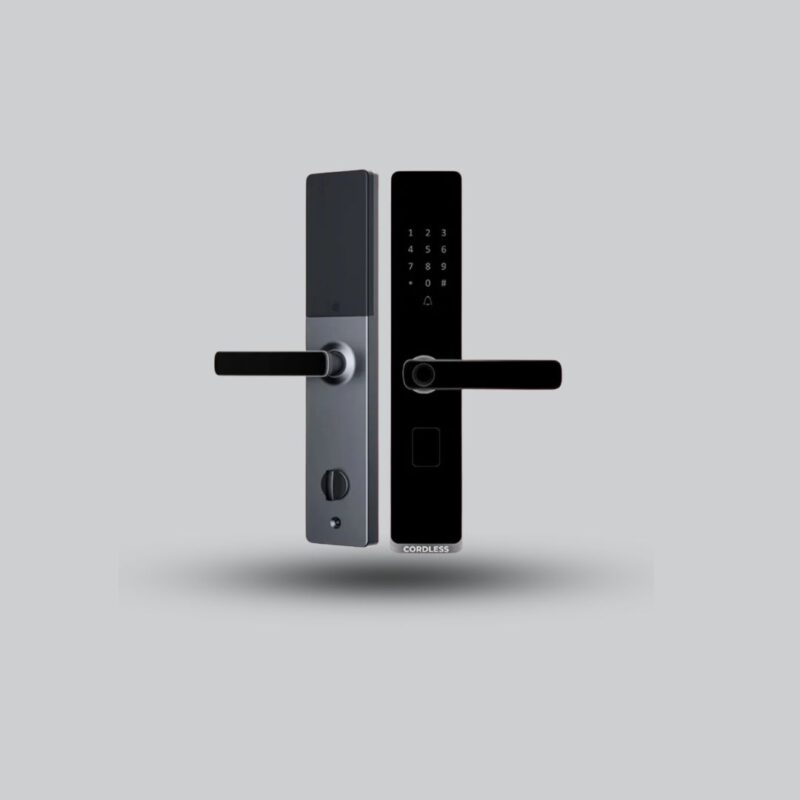
G-14 Smart Lock: 5-in-1 Keyless Entry with Tuya App
Secure your property with the G-14 Smart Lock, one of the latest smart access control systems designed for modern convenience and reliability. This high-quality lock offers five distinct unlocking methods, ensuring you and your trusted users always have access, while its durable build provides lasting peace of mind.
Challenges of Implementing Smart Home Systems in Egypt
While adoption is growing, implementing an Egypt smart home still comes with challenges that must be considered.
Common challenges include:
- Initial setup costs
- Internet stability issues
- Power outages
- Device compatibility limitations
Despite these challenges, proper planning and professional installation can significantly reduce risks and ensure smooth operation.
Cost Analysis: Smart Home vs Traditional Home Setups
Cost is one of the main considerations when planning an Egypt smart home. While smart systems require an initial investment, they often deliver long-term financial benefits compared to traditional home setups.
Key cost factors include:
- Device prices (lighting, security, sensors)
- Installation and configuration
- Maintenance and upgrades
Cost comparison highlights:
- Traditional homes rely on manual control and higher energy usage
- Smart homes reduce waste through automation
- Energy monitoring helps control monthly expenses
Over time, smart homes can lower electricity bills and reduce maintenance-related costs.

Long-Term Benefits and ROI
The return on investment (ROI) of an Egypt smart home becomes clearer over time.
Long-term benefits include:
- Reduced energy consumption
- Lower security-related risks
- Increased property value
- Improved daily efficiency
These benefits often outweigh the initial setup cost, especially for long-term homeowners and businesses.
How to Start Converting Your Home into a Smart Home in Egypt
Starting an Egypt smart home does not require converting everything at once. A phased approach is more practical and cost-effective.
Recommended steps:
- Start with core devices like smart lighting or plugs
- Add security components such as cameras and sensors
- Integrate climate control and automation routines
- Expand gradually based on needs and budget
Professional consultation helps ensure compatibility and proper system design from the beginning.
Common Mistakes to Avoid When Installing Smart Home Systems
Avoiding common mistakes is essential for building a reliable Egypt smart home system.
Frequent installation mistakes include:
- Buying incompatible devices
- Ignoring network quality
- Overcomplicating automation rules
- Skipping security configuration
Planning, proper device selection, and expert installation reduce these risks and ensure long-term system stability.
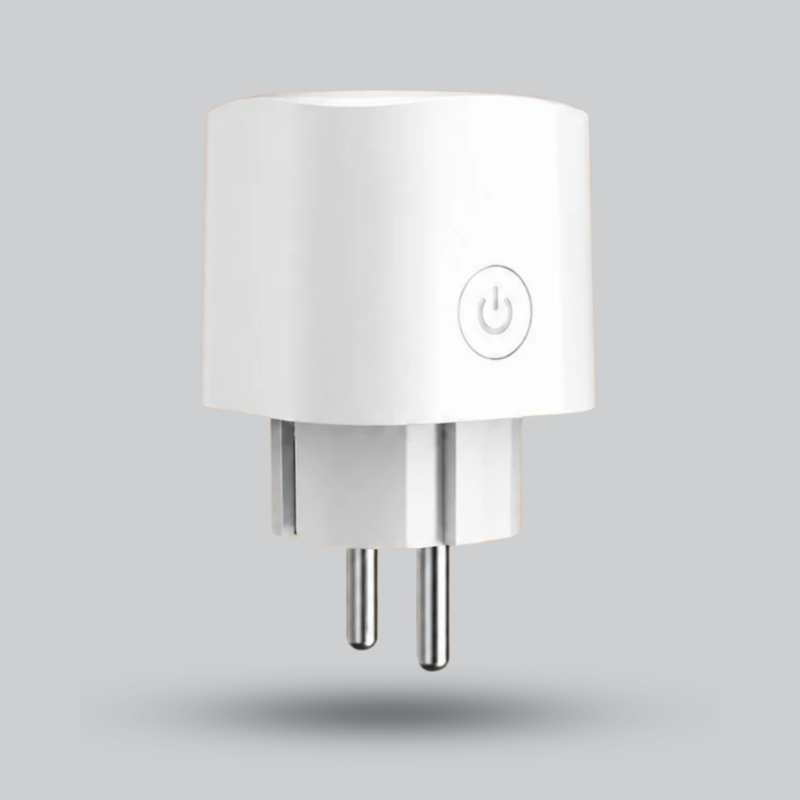
Tuya WiFi Smart Socket EU with Power Monitoring
The Tuya WiFi Smart Socket EU with Power Monitoring gives you smart and safe control over electrical devices from anywhere, with real-time energy monitoring, support for Tuya Smart / Smart Life, and voice control through Alexa and Google Assistant for a smarter daily routine.
The Future of Smart Homes in Egypt and the Role of AI
The future of the Egypt smart home market is closely linked to artificial intelligence (AI). Smart systems are becoming more predictive, adaptive, and personalized based on user behavior.
Key AI-driven improvements include:
- Behavior-based automation
- Smarter security alerts with fewer false alarms
- Predictive energy management
- Adaptive climate control
AI allows smart homes to learn daily routines and adjust systems automatically without manual input.
Emerging Trends and Innovations
Several trends are shaping the future of Egypt smart home solutions:
- AI-powered cameras with advanced recognition
- Voice assistants with better Arabic language support
- Local data processing for improved privacy
- Deeper integration between security and energy systems
These innovations make smart homes more reliable, efficient, and user-friendly for Egyptian homeowners.

Is Investing in a Smart Home a Smart Choice for Egyptian Homeowners?
For many households, investing in an Egypt smart home is a practical and forward-looking decision. Smart homes offer a balance between comfort, security, and cost efficiency.
Key reasons to invest include:
- Better control over daily home operations
- Enhanced security and peace of mind
- Long-term savings on energy bills
- Increased property value
While the initial cost may seem high, the long-term benefits make smart home systems a valuable upgrade for modern living in Egypt.
FAQ About Egypt Smart Home Systems
?What is a smart home and how does it work in Egypt
A smart home uses connected devices that can be controlled remotely or automated. In Egypt, these systems work through WiFi or smart hubs and are adapted to local internet and power conditions.
What devices are essential for an Egypt smart home setup?
Essential devices include smart lighting, security cameras, door and window sensors, smart locks, and a central control app or hub.
?How much does it cost to install a smart home in Egypt
Costs vary based on system size and device selection. Basic setups are affordable, while advanced systems require higher investment but offer long-term savings.
Are smart home systems in Egypt safe from hacking and cyber threats?
Yes, when proper security measures are applied such as strong passwords, encrypted connections, and regular software updates.
Can smart homes in Egypt be controlled remotely via mobile apps?
Yes, most Egypt smart home systems allow full remote control through mobile applications, including monitoring, automation, and alerts.