


Blog
Smart Home Automation: Revolutionizing Modern Living

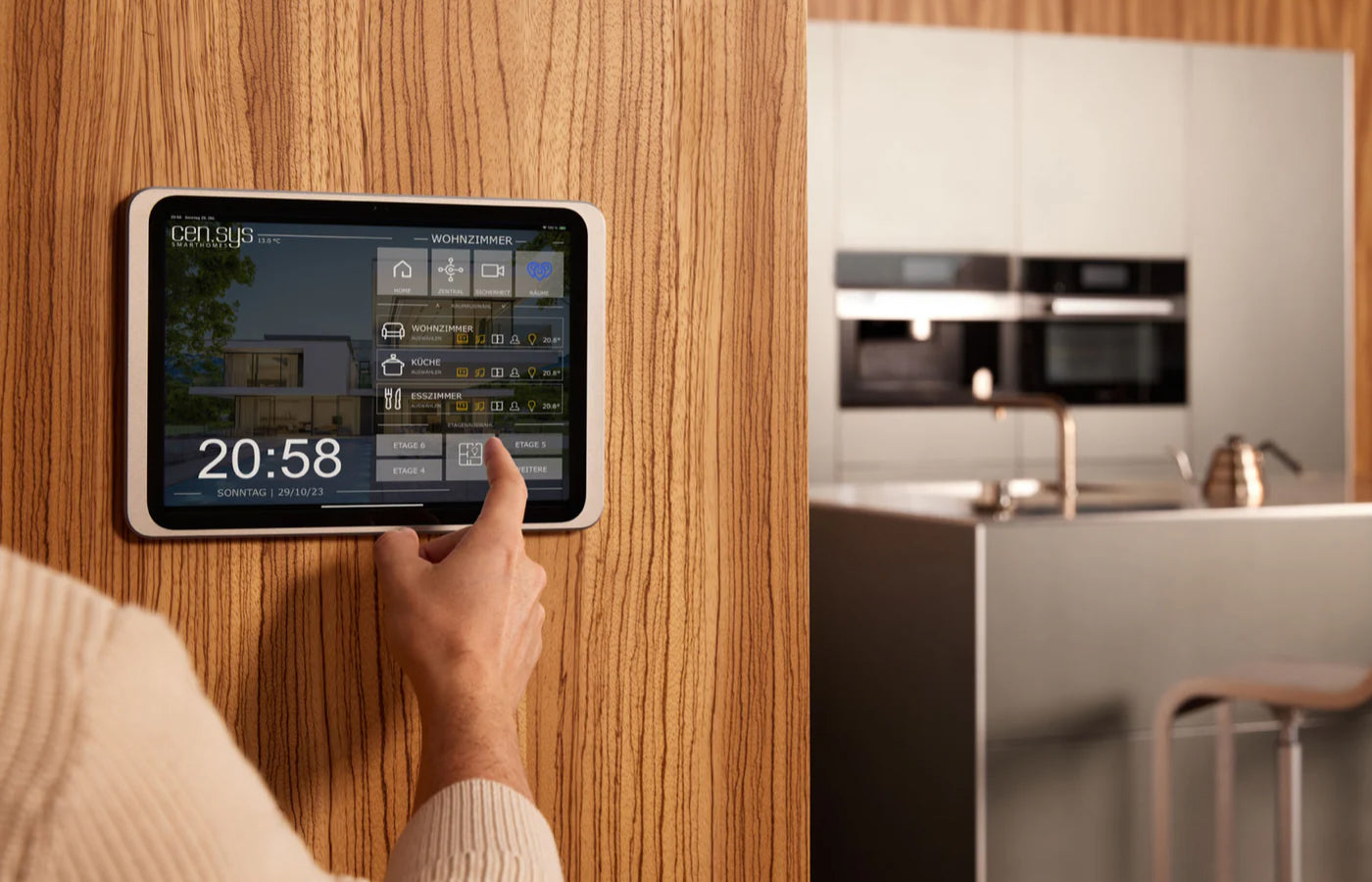
Smart home automation is redefining how people interact with their living spaces. Instead of manually controlling lights, security, and appliances, automation enables homes to respond intelligently and automatically to daily needs. As technology advances, smart homes are becoming a global standard, not a futuristic concept.
Smart home automation today focuses on:
- Improving comfort through automated control
- Enhancing security with real-time monitoring
- Reducing energy consumption using smart systems
With increasing global adoption, smart home automation is shaping a more efficient, connected, and convenient lifestyle.

Table of Contents
What Is Smart Home Automation and Why It Matters
Smart home automation refers to the use of connected technologies that allow devices and systems inside a home to operate automatically or remotely. These systems are designed to simplify daily tasks while improving safety and efficiency.
Smart home automation matters because it:
- Eliminates repetitive manual actions
- Provides centralized control over the entire home
- Enhances real-time responsiveness to user behavior
Core benefits include:
- Greater convenience and time savings
- Better control over energy usage
- Improved home security and awareness
Automation transforms a traditional house into an intelligent living environment that adapts to its occupants.
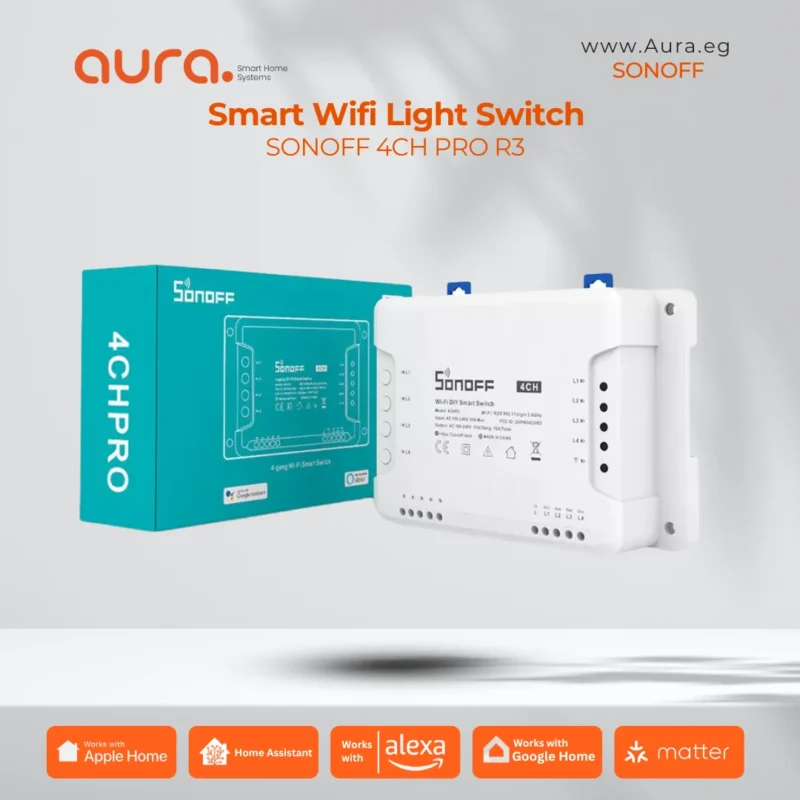
SONOFF 4CH PRO R3 – 4-channel smart switch with WiFi and RF 433MHz control
SONOFF 4CH PRO R3 Smart Switch with four WiFi and RF channels for integrated device control, supports Alexa and Google, equipped with 3 smart operating modes, ideal for controlling lighting, doors, fans and more.
Core Concepts of Smart Home Automation
Understanding the core concepts helps explain how smart home automation systems function effectively.
Key concepts include:
- Automation rules based on time, motion, or conditions
- Connected devices communicating through a network
- Central control platforms such as mobile apps or hubs
These concepts allow systems to act independently while remaining fully customizable by users.
The History and Evolution of Home Automation
The evolution of smart home automation began with basic remote-controlled devices and has progressed into fully integrated intelligent systems. Early automation focused on simple tasks, such as timers and wired controls.
Key stages of evolution include:
- Manual timers and wired automation
- Remote-controlled home devices
- Internet-connected smart systems
- AI-driven automation and predictive control
Today, smart home automation integrates cloud computing, artificial intelligence, and wireless communication, making systems smarter and more responsive than ever.

Core Components of a Smart Home Automation System
A complete smart home automation system is built from multiple components working together seamlessly. Each component plays a specific role in ensuring automation reliability and flexibility.
Core components include:
- Smart controllers or hubs
- Connected devices such as lights, locks, and cameras
- Sensors for motion, doors, and environmental data
- Mobile and voice control interfaces
These components create a unified ecosystem that allows homeowners to automate routines, monitor activity, and control their home from anywhere.
Smart Lighting Systems for Efficiency and Ambiance
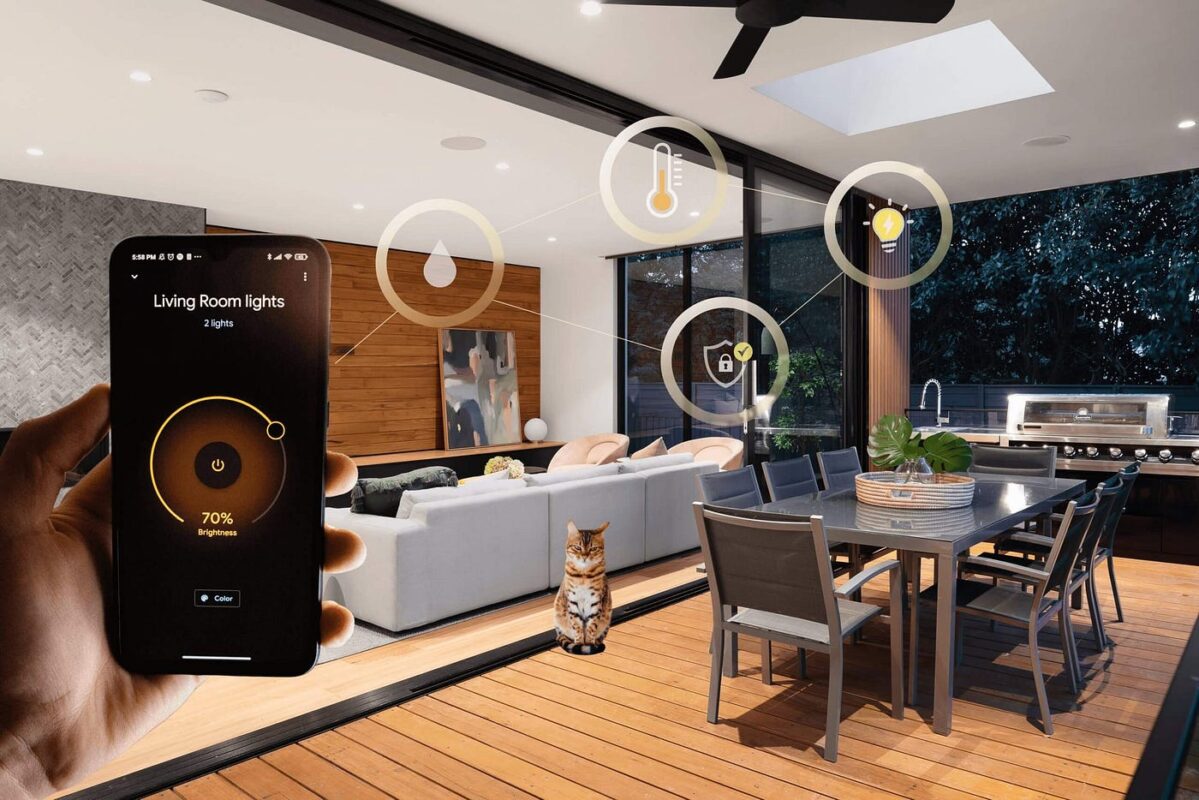
Smart lighting systems are a foundational element of smart home automation, delivering immediate improvements in both energy efficiency and living comfort. These systems allow users to control lighting automatically or remotely based on time, activity, or personal preference.
Key capabilities of smart lighting include:
- Remote on/off control via mobile apps
- Dimming and brightness adjustment
- Scene creation for different moods and activities
- Scheduling and automation
Smart lighting enhances daily living by:
- Reducing unnecessary energy usage
- Improving visual comfort
- Supporting modern interior design
Well-configured lighting automation balances functionality with ambiance.
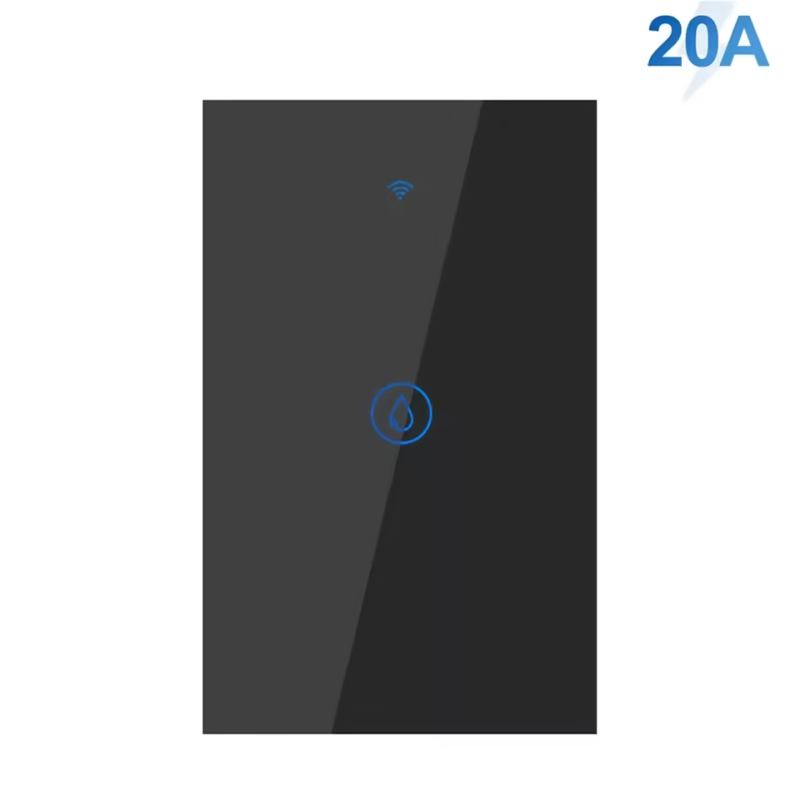
Tuya WiFi Smart Water Heater Switch 20A / 40A – Remote Smart Heater Control Switch – 20
Intelligent Climate Control: Heating and Cooling Automation
Climate management is one of the most valuable applications of smart home automation, especially in environments with changing weather conditions. Intelligent climate systems automate heating and cooling to maintain consistent comfort while minimizing energy waste.
Core features include:
- Automated temperature control
- Integration with sensors and schedules
- Remote AC and heating management
- Adaptive response to occupancy
Optimizing Temperature for Comfort and Energy Savings
Proper temperature optimization is essential for effective smart home automation.
Best practices include:
- Setting temperature thresholds to prevent overuse
- Automating cooling and heating based on occupancy
- Scheduling climate control during off-peak hours
These strategies help lower energy bills while maintaining a comfortable indoor environment.

Smart Locks and Access Control Systems
Smart locks and access control systems replace traditional keys with secure, automated entry methods. In smart home automation, access control improves both security and convenience.
Common smart lock features include:
- PIN codes and biometric access
- Mobile app unlocking
- Temporary access permissions
- Entry and exit activity logs
Smart access control systems are ideal for:
- Residential homes
- Rental properties
- Offices and shared spaces
They reduce security risks while offering greater flexibility.
Home Security Automation and Surveillance Solutions
Security automation is a critical pillar of smart home automation systems. Automated security solutions provide continuous monitoring, instant alerts, and remote visibility.
Core security automation elements include:
- Surveillance cameras
- Alarm and notification systems
- Motion and entry detection
- Mobile-based monitoring
These systems work together to protect property and occupants at all times.
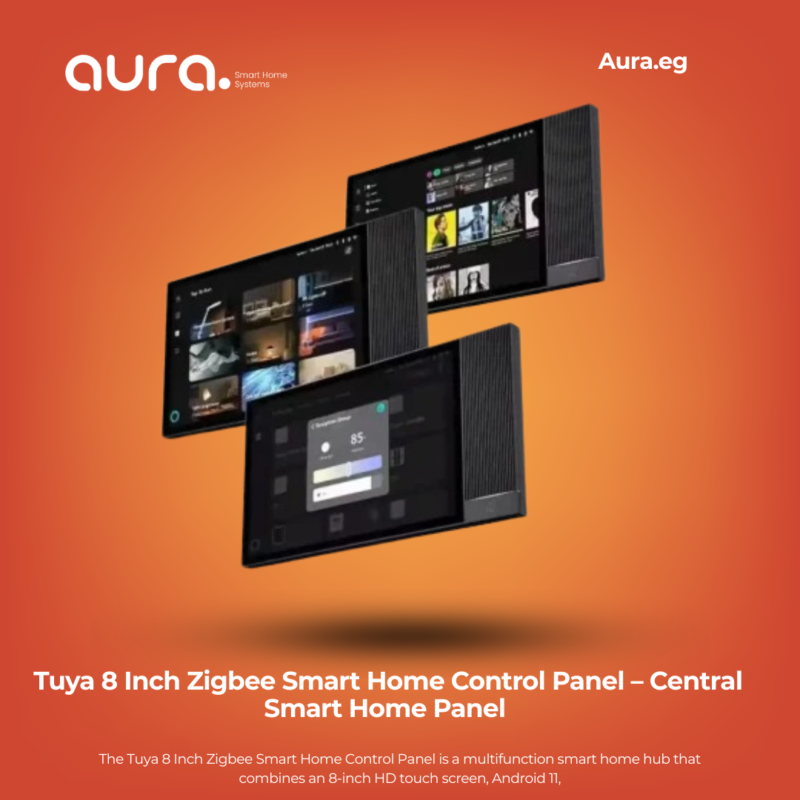
Tuya 8 Inch Zigbee Smart Home Control Panel – Central Smart Home Panel with Music System
The Tuya 8 Inch Zigbee Smart Home Control Panel is a multifunction smart home hub that combines an 8-inch HD touch screen, Android 11, a built-in Zigbee 3.0 gateway, Wi-Fi / Bluetooth / 485 connectivity, built-in Alexa, and a practical music system in one elegant wall-mounted design for modern smart homes and projects.
Indoor and Outdoor Smart Cameras
Indoor and outdoor smart cameras play a central role in home security automation by delivering real-time video access and recorded footage.
Key camera capabilities include:
- Live streaming
- High-definition recording
- Night vision
- Motion-triggered alerts
Choosing the Right Camera for Different Areas
Selecting the correct camera depends on location and purpose.
General guidelines:
- Use weather-resistant cameras outdoors
- Choose wide-angle cameras for indoor spaces
- Install cameras at entry points for maximum coverage
Proper placement ensures effective surveillance and reliable monitoring.

Sensors for Doors, Windows, Motion, and Environmental Hazards
Sensors are the backbone of smart home automation, providing real-time data that triggers automated actions and alerts. These devices help homes respond instantly to security threats and environmental risks.
Common sensor types include:
- Door and window sensors
- Motion sensors
- Smoke and fire sensors
- Gas and water leak sensors
Key benefits of smart sensors:
- Instant alerts when unusual activity is detected
- Automatic system responses such as alarms or shutdowns
- Continuous monitoring without manual supervision
Sensors ensure that automation systems react quickly and accurately to changing conditions.
Voice Control Integration with Alexa, Google Assistant, and Others
Voice control adds a hands-free layer to smart home automation, making daily interactions faster and more intuitive. Users can control multiple devices using simple voice commands.
Voice control allows:
- Lighting and climate adjustment
- Security system activation
- Routine and scene execution
- System status checks
This integration improves accessibility and enhances the overall smart home experience.
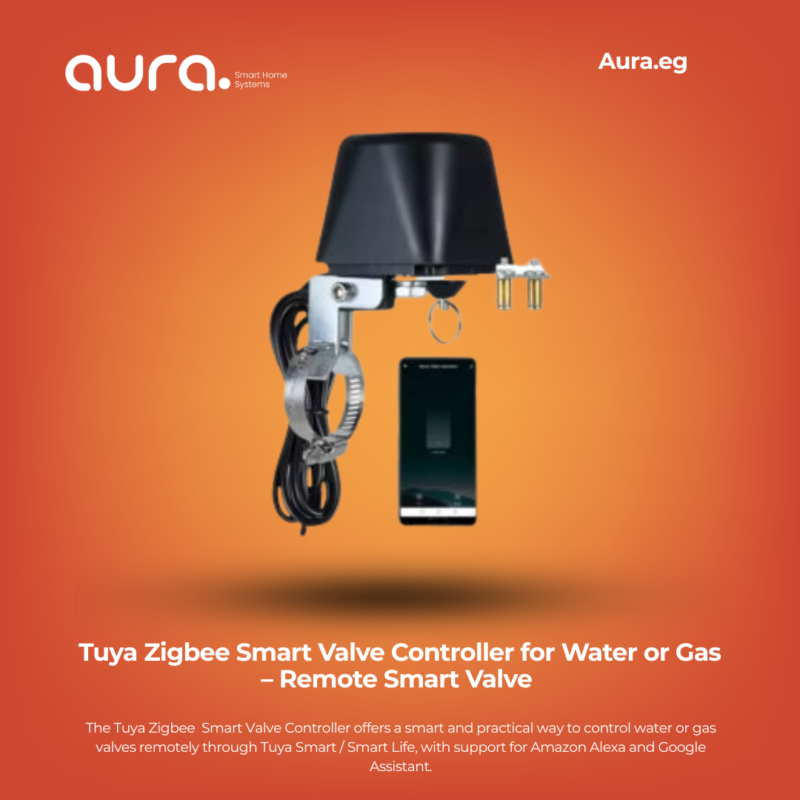
Tuya Zigbee Smart Valve Controller for Gas & Water – Remote Smart Valve Control with Voice Support
The Tuya Zigbee Smart Valve Controller for Gas & Water provides a smart and practical way to control water or gas flow remotely through Tuya Smart / Smart Life, with support for Alexa and Google Assistant, plus smart irrigation scheduling and both manual and automatic operation for greater convenience and safety.
Remote Control and Mobile App Management
Mobile applications serve as the central interface for smart home automation systems, allowing users to manage their home from anywhere.
Core app features include:
- Real-time device control
- Live camera viewing
- Automation scheduling
- Instant notifications
Seamless Control of Devices from Anywhere
Remote control ensures full access to the home regardless of location.
Key advantages:
- Managing devices while traveling
- Monitoring security remotely
- Adjusting settings instantly
Mobile access makes smart home automation practical and reliable in everyday life.
Integration of Multiple Devices into a Seamless Network
Successful smart home automation depends on how well devices communicate within a unified network. Integration ensures that different systems work together smoothly.
Key integration elements include:
- Centralized control platforms
- Cross-device compatibility
- Stable communication protocols
Benefits of seamless integration:
- Faster automation responses
- Reduced system conflicts
- Easier system expansion
A unified network allows automation to function as a single intelligent system.

WiFi vs Zigbee vs Z-Wave: Choosing the Right Protocol
Choosing the right communication protocol is essential for reliable smart home automation.
Main protocol options:
- WiFi
- Zigbee
- Z-Wave
Each protocol offers different strengths in terms of range, power usage, and scalability.
Creating Automated Daily Routines and Schedules
Automation routines turn individual devices into a cohesive system.
Common routines include:
- Morning and night schedules
- Away and vacation modes
- Energy-saving automation
Examples of Smart Routines for Convenience
Effective routine examples:
- Turning off lights when leaving home
- Adjusting temperature before arrival
- Locking doors automatically at night
These routines simplify daily life and reduce manual control.
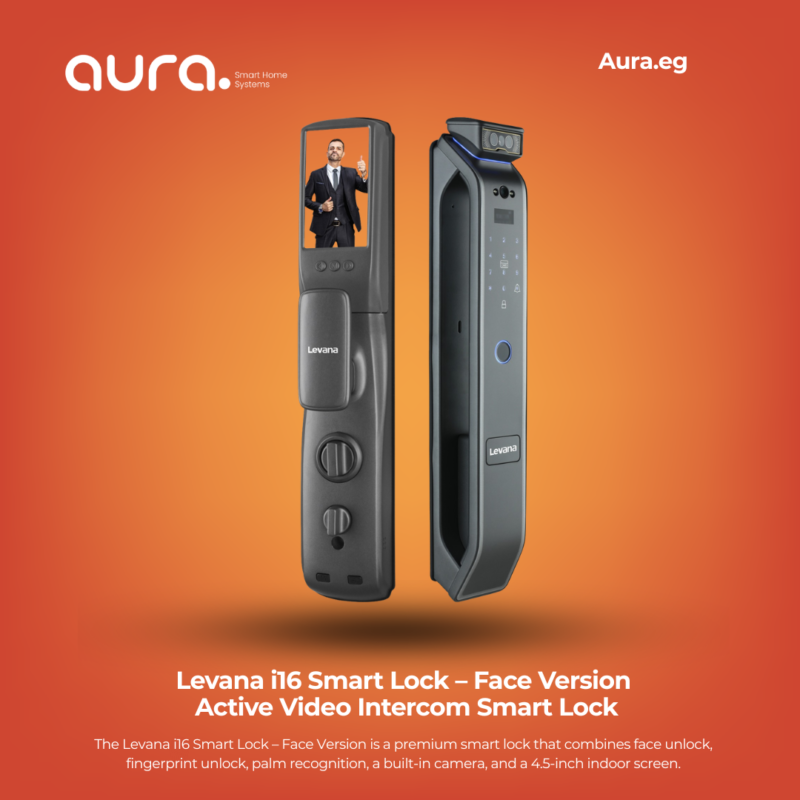
Levana Smart Lock i16 Ai Face version
The Levana i16 Smart Lock – Face Version is a premium smart lock that combines face unlock, fingerprint unlock, palm recognition, a built-in camera, and a 4.5-inch indoor screen, with full support for Tuya / Smart Life, Wi-Fi 2.4GHz, and Hi Levana voice interaction for a complete smart entry experience.
Energy Monitoring and Smart Electricity Management
Energy monitoring is a key advantage of smart home automation, providing insights into electricity consumption and usage patterns.
Core features include:
- Real-time energy tracking
- Usage reports
- High-consumption alerts
Benefits include lower energy costs and more efficient power usage.
Cybersecurity and Data Privacy Considerations
Security is critical in smart home automation systems due to constant connectivity.
Key protection measures:
- Encrypted communication
- Strong authentication
- Regular software updates
These practices help safeguard personal data and system access.

Common Mistakes When Implementing Smart Home Automation
Many issues arise from poor planning or configuration.
Common mistakes include:
- Using incompatible devices
- Ignoring network quality
- Weak security settings
Tips to Avoid System Failures and Security Risks
Best practices:
- Plan the system architecture
- Choose trusted platforms
- Apply security updates regularly
Proper planning ensures long-term stability.
Future Trends in Smart Home Automation and AI Integration
The future of smart home automation is driven by artificial intelligence and predictive systems.
Emerging trends include:
- AI-based behavior learning
- Advanced voice recognition
- Predictive energy optimization
These innovations make smart homes more adaptive and intelligent.
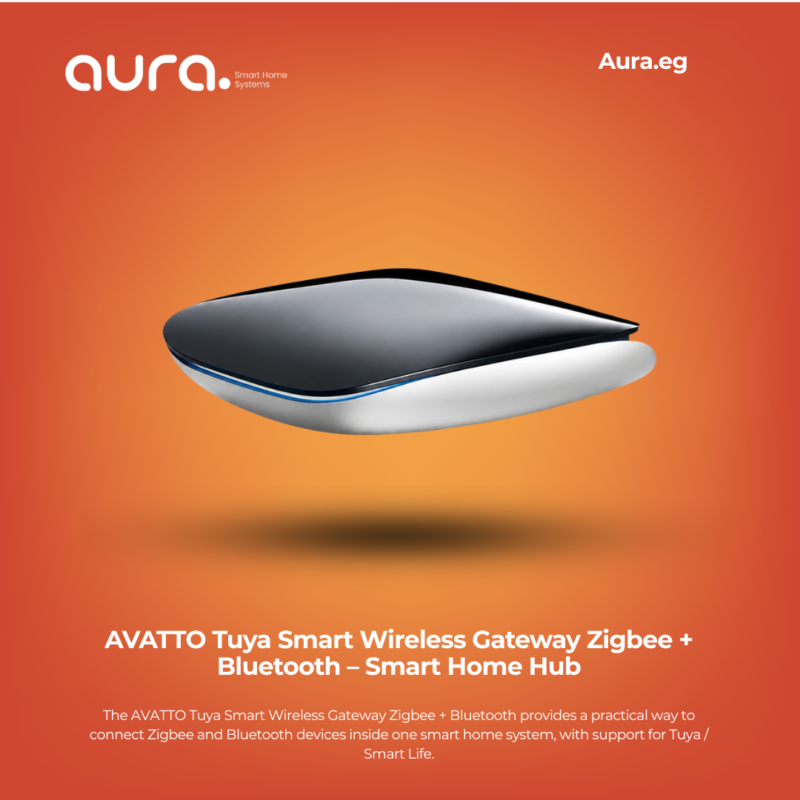
AVATTO Tuya Smart Wireless Gateway Zigbee + Bluetooth – Smart Home Hub
The AVATTO Tuya Smart Wireless Gateway Zigbee + Bluetooth provides a practical way to connect Zigbee and Bluetooth devices inside one smart home system, with support for Tuya / Smart Life, smart scenes, remote control, and voice commands through Alexa and Google Home.
ROI and Value Addition for Real Estate through Smart Home Automation
Smart home automation increases property value by enhancing efficiency and modern appeal.
Key value drivers:
- Lower operational costs
- Higher buyer and tenant interest
- Future-ready infrastructure
Smart automation is a strategic investment for long-term real estate value.
FAQ
What Is Smart Home Automation and How Does It Work?
Smart home automation connects devices to operate automatically or remotely through apps, sensors, and control platforms.
What Devices Are Essential for a Complete Smart Home Automation System?
Essential devices include smart lighting, sensors, security cameras, smart locks, and a central control platform.
How Much Does It Cost to Set Up Smart Home Automation?
Costs vary based on system size, device selection, and installation method.
Is Smart Home Automation Secure from Hacking and Cyber Threats?
Yes, when systems use encryption, strong authentication, and regular updates.
Can Smart Home Automation Be Controlled Remotely via Mobile Apps?
Yes, most smart home automation systems offer full remote control through mobile applications.